Turkish White Bean Dip with Garlic and Lemon Recipe
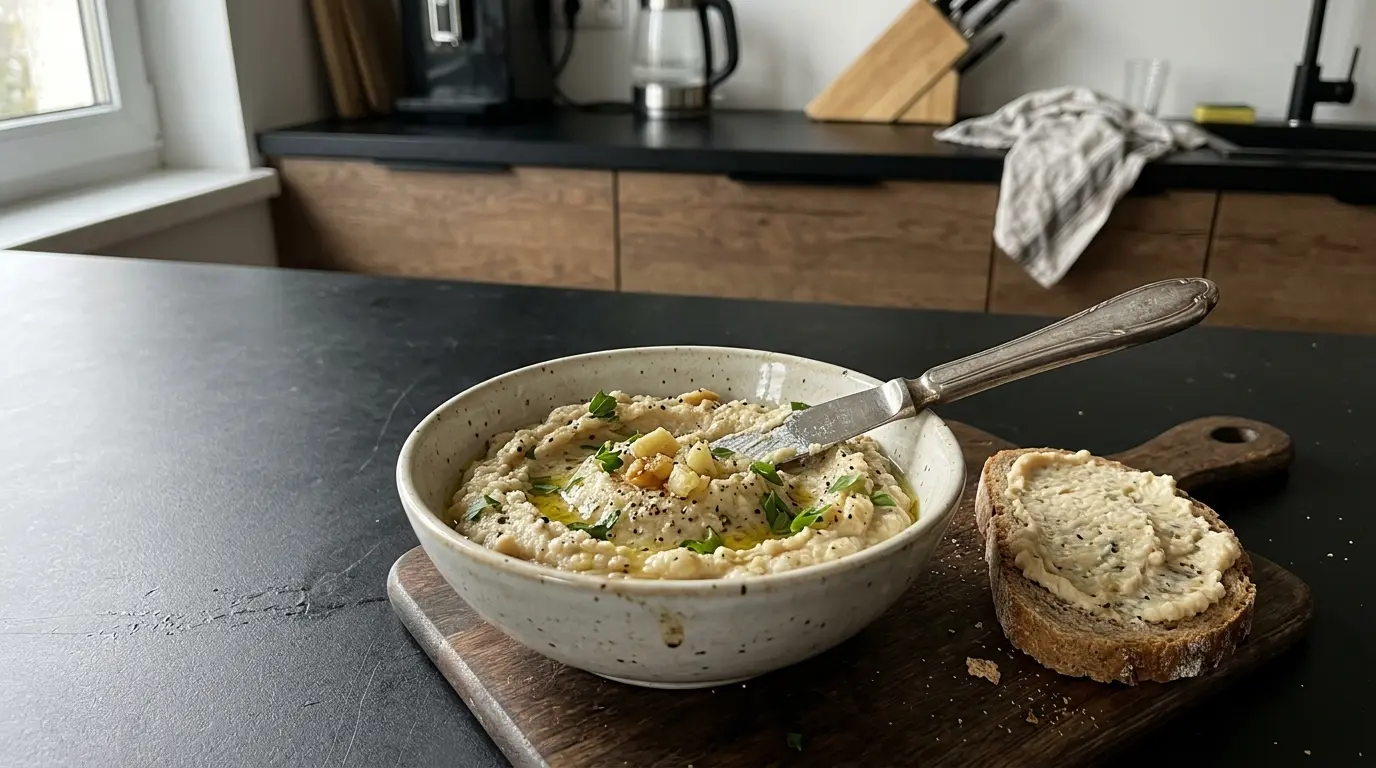
A smooth dip made from white beans, garlic, and lemon, served in Turkey as one of the meze, for dipping bread. It’s somewhere between hummus and the bean spreads known from Balkan cuisine, but with a distinct lemony note. Perfect on a party table instead of store-bought dips.
This dip combines the creaminess of white beans with the freshness of lemon and the depth of tahini and cumin, giving you a Turkish-style meze that’s both simple and impressive. It’s a lighter alternative to classic hummus and a great way to use canned beans in a more exciting way.
Chef's tips
Use good-quality olive oil and fresh lemon juice—the flavor of the dip depends heavily on them. Blend patiently until the mixture is really smooth; if your blender isn’t very powerful, add water gradually. Don’t be afraid of lemon: a clearly noticeable acidity is what makes this dip refreshing and addictive.
How to serve
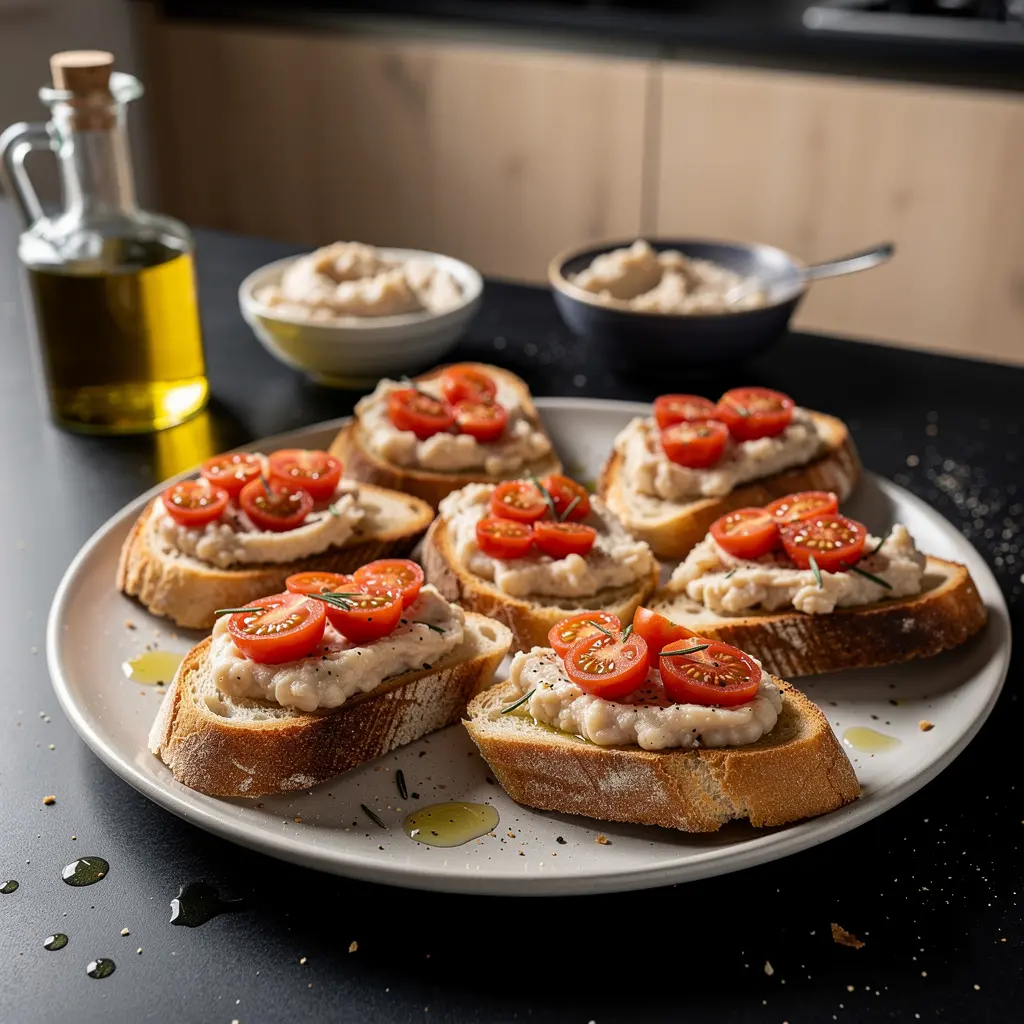
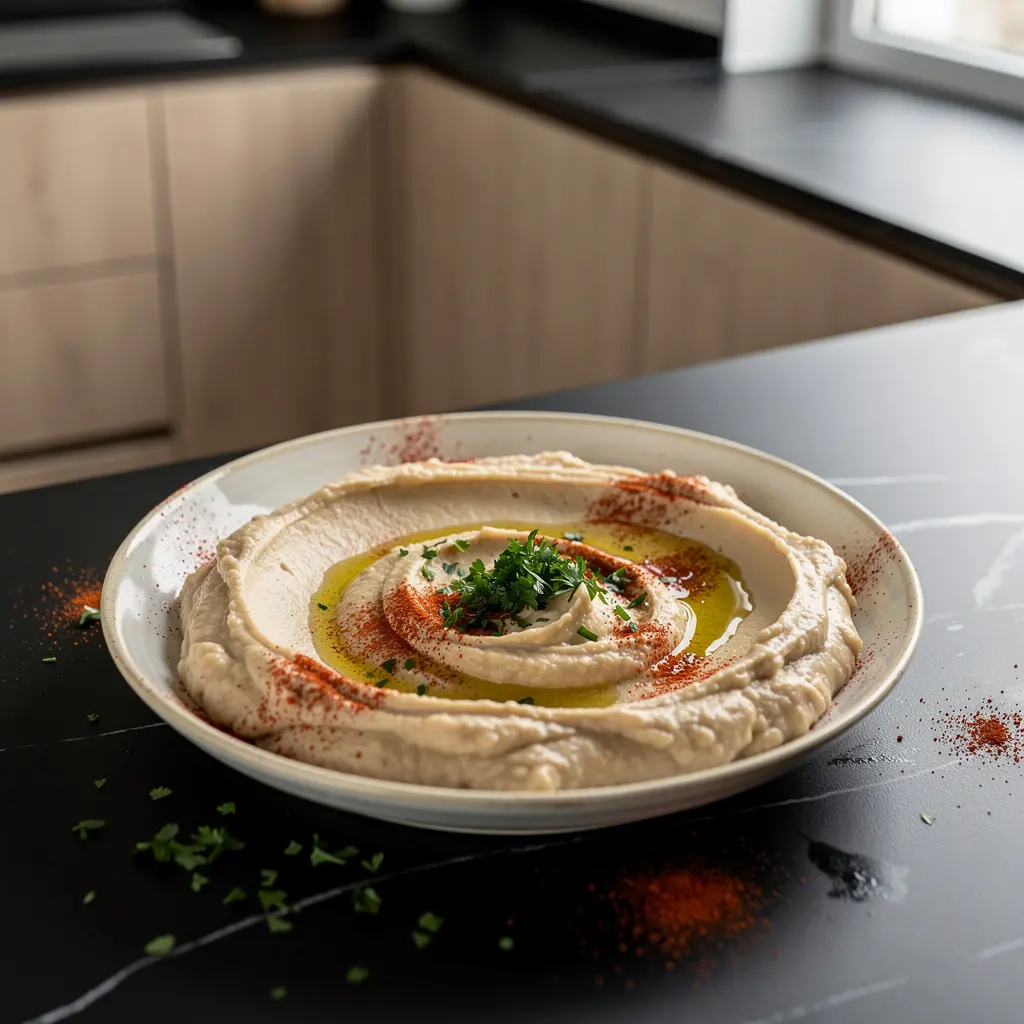
Serve in a shallow bowl, drizzle generously with olive oil, and finish with paprika and parsley. Add to a larger meze spread with olives, pickles, grilled vegetables, and flatbreads. It also works well as a sandwich spread or in wraps with fresh vegetables and herbs.
Ingredients
- white beans, cooked from a can or cooked in advance - 400 g
- garlic - 2 cloves
- lemon juice freshly squeezed - 3 tablespoons
- olive oil good quality - 4 tablespoons
- tahini optional, for deeper flavor - 1 tablespoon
- ground cumin - 0.5 teaspoons
- salt to taste
- black pepper to taste
- parsley chopped, for sprinkling - 2 tablespoons
- sweet paprika, ground for sprinkling - 0.5 teaspoons
- water if needed, to thin the dip - 2 tablespoons
Preparation
- Drain the beans in a sieve and rinse under running water to remove the brine. Peel the garlic.
- Place the beans, garlic, lemon juice, olive oil, tahini, cumin, a pinch of salt, and pepper in a blender jug or tall container.
- Blend everything into a smooth paste. If the mixture is too thick or the blender struggles, add 1–2 tablespoons of water and blend again until you get a creamy consistency.
- Taste the dip and, if needed, season with more salt, pepper, or lemon juice. Transfer to a bowl and smooth the surface with a spoon.
- Drizzle the top with a little olive oil, sprinkle with ground paprika and chopped parsley. Serve with bread, crackers, or fresh vegetables for dipping.
Storage
No storage information available for this dish.
I like to keep a jar of cooked white beans on hand just for this dip—it comes together in minutes and always disappears first at gatherings. Adjust the garlic and lemon to your taste: milder for everyday snacking, more intense when you want a bold, zesty spread.