Tonkatsu – Japanese Breaded Pork Cutlet Recipe
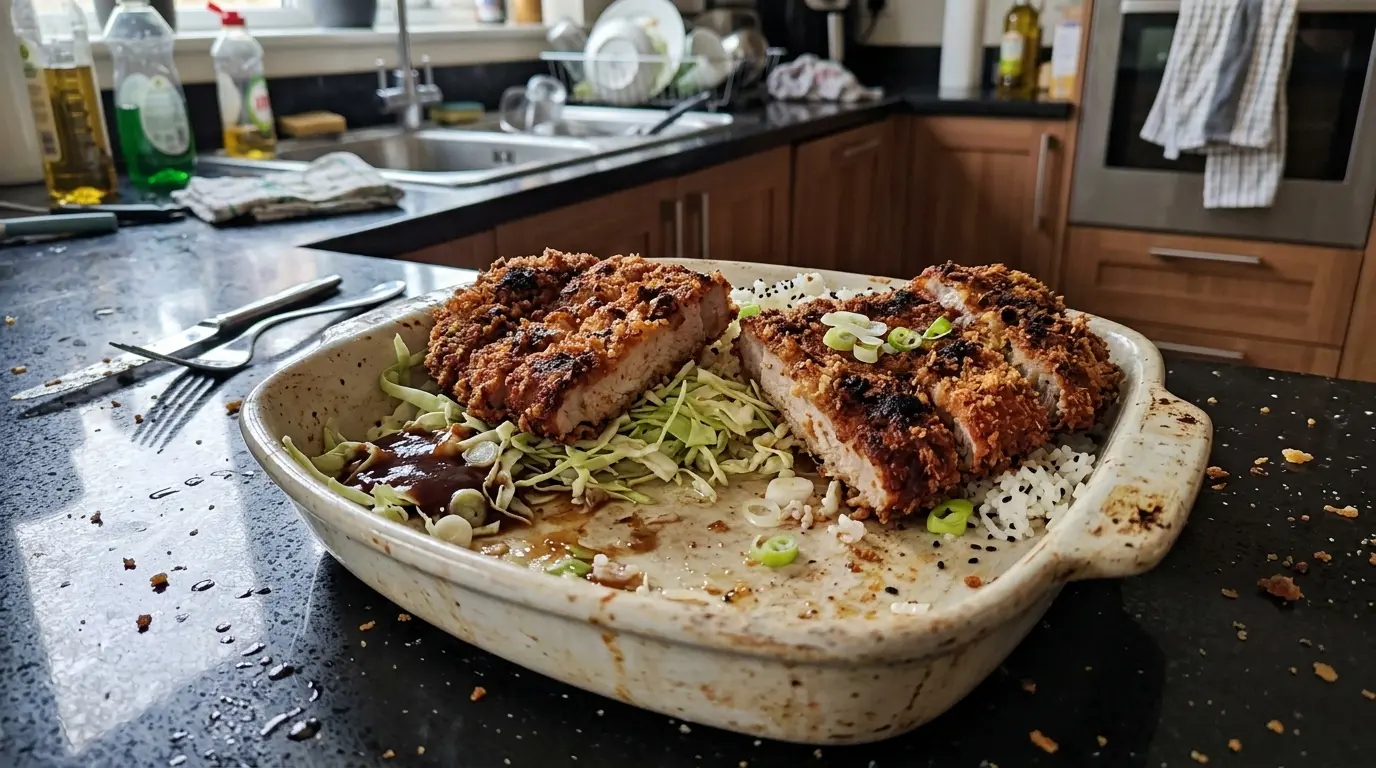
Tonkatsu is Japan’s answer to the classic pork cutlet – a thick, juicy piece of pork in a crispy panko coating. In Japan it’s often served as a quick after‑work dinner with a mound of finely shredded cabbage and a bowl of rice. The flavor feels familiar to a Polish palate, but the tonkatsu sauce adds a sweet‑salty character that quickly becomes addictive.
Tonkatsu is one of the most popular Japanese yoshoku dishes, meaning Western-style food adapted to local tastes. It’s most often served with rice, finely shredded cabbage, and a thick tonkatsu sauce similar to a smooth Worcestershire sauce.
This dish combines the comforting familiarity of a breaded pork cutlet with the light, ultra‑crisp texture of panko and the unique sweet‑savory punch of tonkatsu sauce. It’s simple enough for a weeknight but feels like a Japanese restaurant classic at home.
Why this version works
- Meat thickness of about 1 cm gives a juicy center while the crust is fully cooked.
- Firmly pressing the panko creates an even coating that doesn’t fall off when slicing.
- Shallow-frying in 2–3 cm of oil is easier to control than a deep fryer.
- Resting the cutlets on a rack instead of a flat plate keeps the surface dry and crisp.
Chef's tips
Pound the meat evenly so it cooks at the same rate and stays juicy. Don’t rush heating the oil – if it’s too cool, the coating will soak up fat instead of turning crisp. After breading, you can rest the cutlets for a few minutes; the panko adheres better and flakes off less during frying.
How to serve
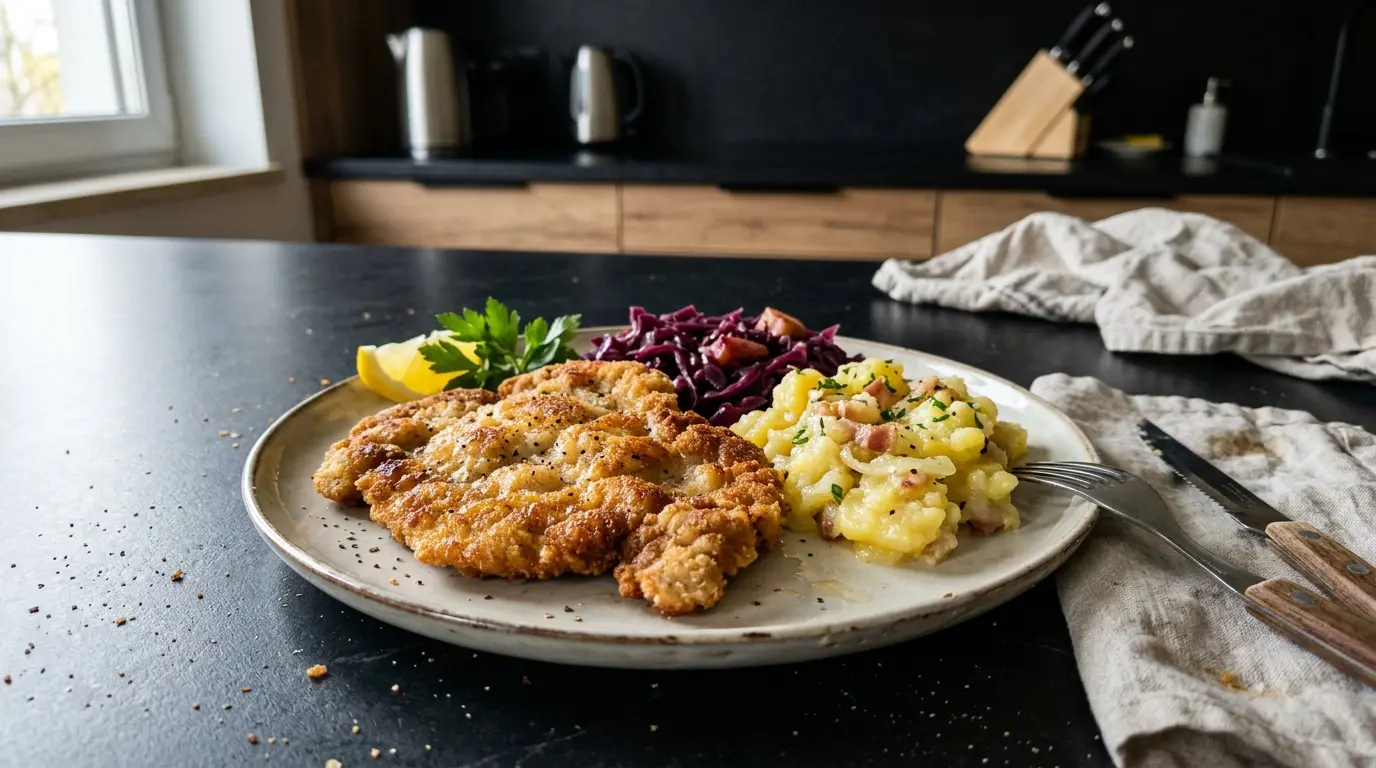
Serve tonkatsu freshly fried, with a generous pile of finely shredded cabbage, steamed rice, and plenty of tonkatsu sauce. Add lemon wedges for brightness and a bowl of miso soup or a simple cucumber salad to round out the meal.
Watch out for
- Don’t pound the pork too thin – cutlets thinner than 8 mm dry out easily.
- If the oil is too cool, the panko will soak up fat and turn heavy.
- Don’t cover the pan; the steam will immediately soften the crust.
- Don’t slice right after frying – give it 2–3 minutes for the juices to settle.
Substitutions
- Instead of pork loin you can use pork neck – it will be fattier and even juicier.
- If you don’t have panko, use very coarsely grated, dried bread; avoid fine crumbs.
- You can replace tonkatsu sauce with a mix of ketchup, Worcestershire sauce, and a splash of soy sauce.
Ingredients
- pork loin - 600 g
- salt - 3 g
- black pepper - 1 g
- wheat flour - 60 g
- egg - 2 piece
- panko breadcrumbs - 120 g
- vegetable oil - 500 ml
- white cabbage - 300 g
- tonkatsu sauce - 80 ml
- lemon - 0.5 piece
- rice - 300 g
Preparation
- Cut the pork loin into 4 equal cutlets and lightly pound each one through plastic wrap until about 1 cm thick. Season both sides with salt and pepper.
- Finely shred the cabbage into thin strips, rinse in cold water and drain very well, then set aside in a bowl.
- Rinse the rice thoroughly several times in cold water until the water is almost clear, then cook according to the package instructions (usually 12–15 minutes over low heat).
- Prepare three deep plates: put flour in the first, crack the eggs into the second and beat with a fork, and put panko into the third.
- Coat each cutlet first in flour (shake off the excess), then dip in egg, and finally coat thoroughly in panko, gently pressing the crumbs onto the meat.
- Pour oil into a deep frying pan or pot so that it forms a layer about 2–3 cm deep. Heat over medium‑high heat until a panko crumb dropped in starts to sizzle immediately and turns lightly golden.
- Fry the cutlets two at a time for 3–4 minutes on each side, until the coating is golden and the meat inside is cooked through. After frying, transfer to a plate lined with paper towels to drain excess fat.
- Cut the lemon into quarters. Slice the fried cutlets into strips about 2 cm wide, but keep them in their original shape on the plate.
- Place a portion of rice on each plate, add a mound of shredded cabbage next to it, and arrange the tonkatsu strips. Drizzle the meat with tonkatsu sauce or serve the sauce in a small bowl on the side. Add a wedge of lemon for squeezing over the meat before eating.
Storage
No storage information available for this dish.
Tonkatsu is one of those dishes that instantly feels like comfort food, even if you didn’t grow up with Japanese cuisine. The combination of crunchy coating, tender meat, and tangy‑sweet sauce makes it a reliable crowd‑pleaser for family dinners and casual gatherings.