Tamago kake gohan – rice with egg for breakfast Recipe
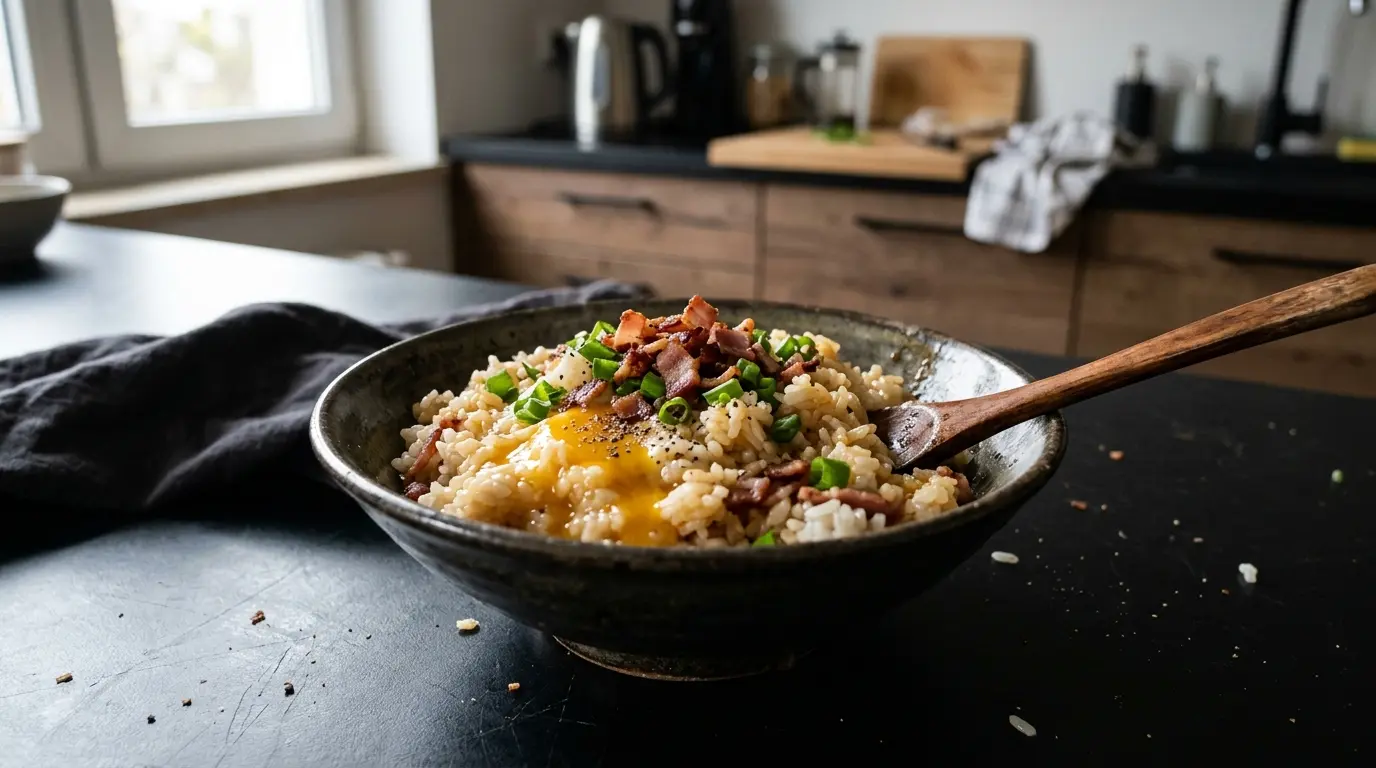
Tamago kake gohan is one of the most homely Japanese breakfasts: hot rice mixed with a raw egg and soy sauce. In Japan it’s treated like our oatmeal – quick, warm, and energizing at the start of the day. Once mixed, the egg coats every grain of rice and creates a creamy sauce without any cream added.
In Japan, tamago kake gohan is a quick, home-style breakfast, often eaten just before leaving for school or work. It’s usually made with leftover rice from the previous day, reheated until very hot, and served with soy sauce or tsuyu.
This dish shows how simple ingredients can create deep comfort: hot rice and a raw egg transform into a silky, creamy bowl in under 10 minutes, without any dairy. It’s a classic Japanese home breakfast that feels both light and satisfying.
Chef's tips
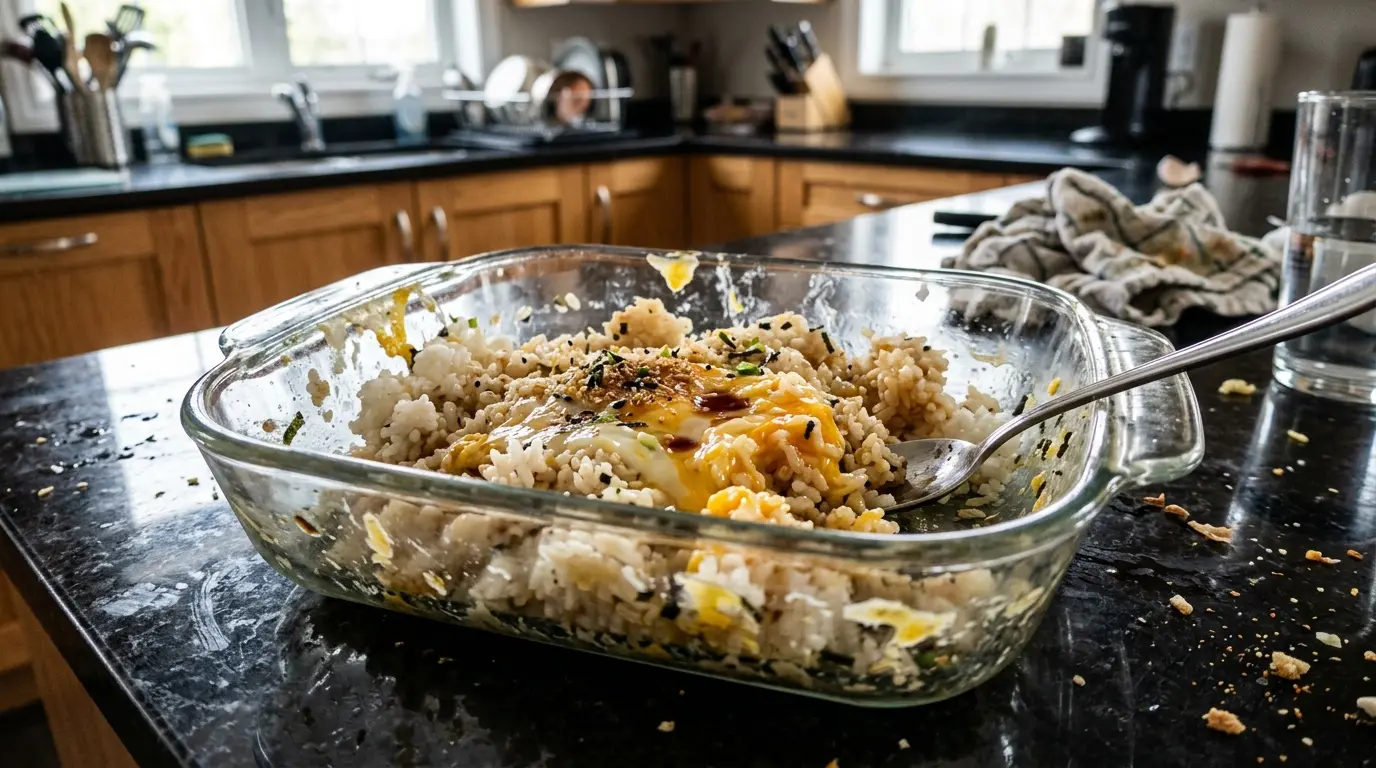
Use the hottest freshly cooked rice you can – the heat is what gently thickens the egg and makes the sauce creamy. Choose the freshest eggs from a reliable source and, if possible, use pasteurized eggs for extra safety. Adjust the soy sauce gradually so the dish doesn’t become too salty; different brands vary in intensity.
How to serve
Serve immediately in warm bowls so the rice doesn’t cool down too quickly. Pair with green tea, miso soup, or a light dashi broth. Add simple sides like pickled vegetables, nori strips, or a small salad of cucumber and radish for contrast.
Watch out for
- The rice must be really hot and steaming vigorously – if it’s just warm, the egg white won’t set and the mixture will stay watery.
- Don’t mix for too long; once the rice turns creamy and uniform, stop so it doesn’t turn into a heavy paste.
- Start with a small amount of soy sauce, as it’s easy to oversalt such a simple dish.
Substitutions
- You can replace the butter with a teaspoon of sesame oil, which will add an intense, nutty aroma.
- Instead of sushi rice, use short‑grain jasmine rice, keeping in mind the texture will be less sticky.
Ingredients
- sushi rice or other short‑grain rice - 160 g
- water for cooking the rice - 200 ml
- egg fresh, from a trusted source - 2 piece
- soy sauce - 2 teaspoons
- chives chopped - 2 tablespoons
- butter optional, for a more European flavor - 10 g
- toasted sesame seeds optional - 1 tablespoon
Preparation
- Rinse the rice several times in cold water until the water is almost clear, then leave it in a sieve for 5–10 minutes.
- Transfer the rice to a pot, pour in the measured water, cover, and bring to a boil over medium heat. When it starts bubbling vigorously, reduce the heat to low and cook for 10 minutes without uncovering.
- Turn off the heat and leave the rice covered for another 10 minutes to finish steaming.
- Just before serving, crack the eggs into two small bowls, making sure there are no pieces of shell.
- Divide the hot rice between two bowls and use a spoon to make a slight indentation on top of each portion.
- Pour one egg into the center of each portion, add 1 teaspoon of soy sauce and, if you like, a small piece of butter.
- Immediately mix the rice and egg vigorously with chopsticks or a fork for about 30–40 seconds, until the egg thickens from the heat and coats the rice, creating a creamy texture.
- Sprinkle with chopped chives and sesame seeds and serve right away while the dish is still hot.
Storage
No storage information available for this dish.
Tamago kake gohan is one of those dishes that proves breakfast doesn’t have to be complicated to feel special. Once you get used to the idea of mixing in a raw egg, it becomes an incredibly comforting ritual – a few quick movements with chopsticks and you have a creamy, cozy bowl that’s perfect for slow mornings or busy weekdays alike.