Korean mandu dumplings with pork and cabbage Recipe
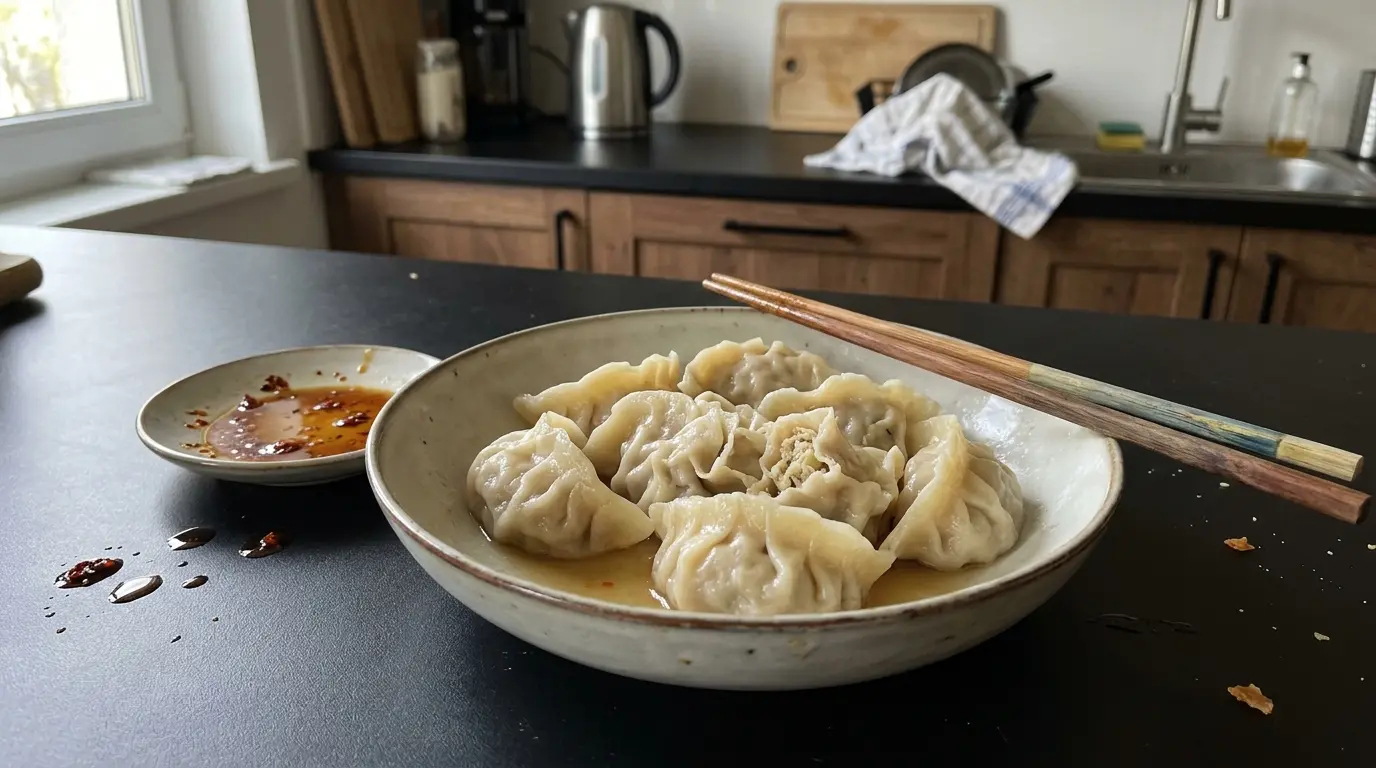
Mandu are Korean dumplings that can be steamed, pan-fried or added to soup – something like a cross between Polish pierogi and Chinese jiaozi. In Korea they often appear on the festive table for Lunar New Year, but also as a snack with beer or a quick lunch. Homemade mandu are juicy inside and pleasantly crispy if you pan-fry them.
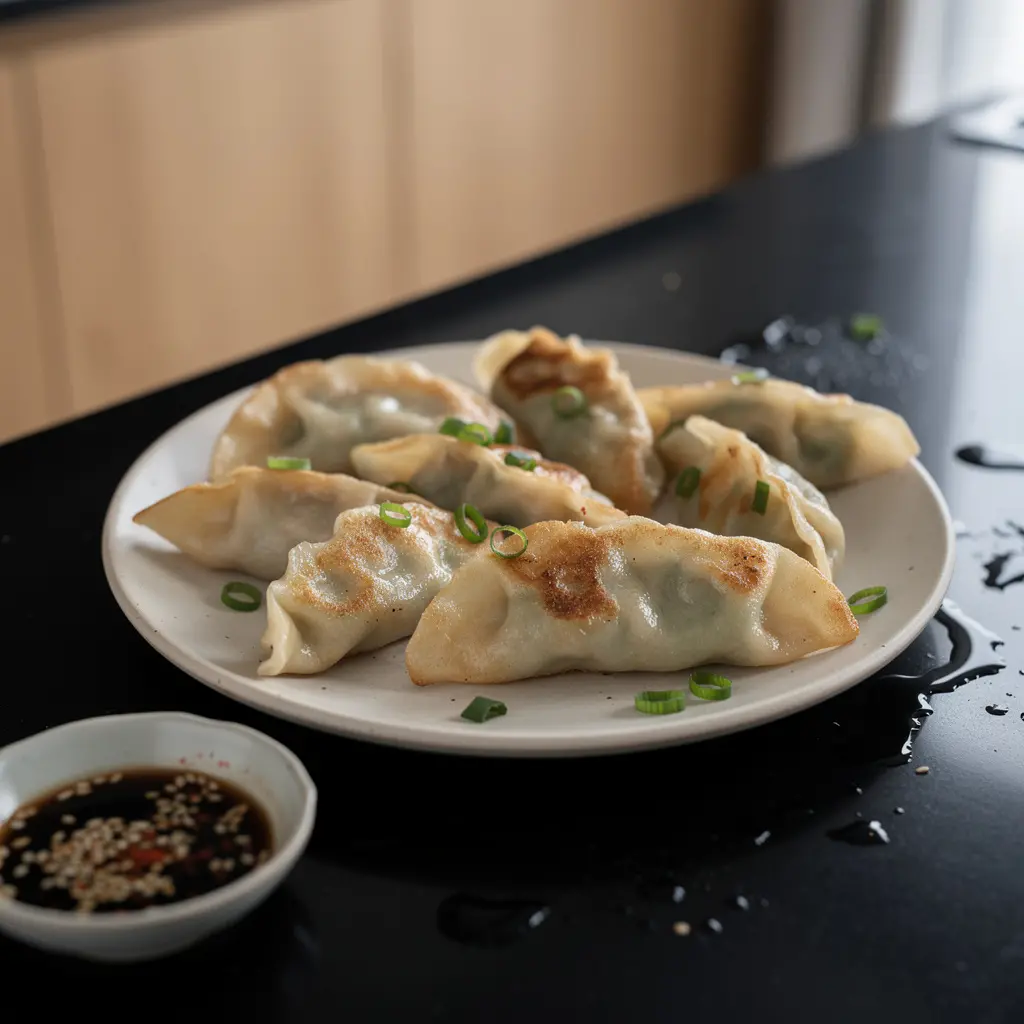
These Korean mandu combine a juicy pork and cabbage filling with a pan-fried, crispy bottom and a tender, steamed top. They’re versatile – great as a festive dish, party finger food or a quick meal – and the simple dipping sauce highlights their savory, sesame-soy flavor.
Chef's tips
Knead the filling thoroughly until it becomes sticky – this helps it hold together inside the dumplings and gives a bouncy, juicy texture. Make sure to squeeze the cabbage really well so it doesn’t water down the filling. When pan-frying, don’t overcrowd the pan; the dumplings need space for even browning and steaming.
How to serve
Serve mandu straight from the pan while still hot, with one or two dipping sauces in small bowls. They pair well with a simple cucumber salad, kimchi or a light broth. For a more filling meal, add them to a clear soup or serve alongside steamed rice and Korean side dishes (banchan).
Ingredients
- dumpling wrappers thin round wrappers, can be ready-made Asian or homemade - 30 piece
- ground pork preferably from shoulder or neck - 300 g
- napa cabbage finely chopped - 150 g
- onion finely chopped - 0.5 piece
- garlic pressed through a garlic press - 3 cloves
- chives finely chopped - 3 tablespoon
- soy sauce - 2 tablespoon
- sesame oil - 1 tablespoon
- black pepper - 0.25 teaspoon
- salt for the filling and for the cabbage - 0.5 teaspoon
- oil for frying the dumplings - 2 tablespoon
- water for pan-steaming - 100 ml
- rice vinegar for the dipping sauce - 1 tablespoon
- toasted sesame seeds for the dipping sauce - 1 teaspoon
- gochugaru Korean chili flakes, optional for the sauce - 0.5 teaspoon
Preparation
- Finely chop the napa cabbage, transfer to a bowl, sprinkle with a pinch of salt, mix and set aside for 10 minutes until it releases some liquid. Then squeeze it well in your hands or in a cloth so it is as dry as possible.
- In a large bowl place the ground pork, squeezed cabbage, chopped onion, garlic, chives, soy sauce, sesame oil, salt and pepper. Knead with your hand for 2–3 minutes until the mixture becomes sticky and uniform.
- Cover the filling and chill in the fridge for 10 minutes so the flavors meld.
- Place about 1 teaspoon of filling on each dumpling wrapper. Moisten the edges of the wrapper with water using your finger, fold in half and seal well, pressing the edges together. You can pleat the edge, but the most important thing is that there are no holes.
- Arrange the finished dumplings on a board dusted with flour or starch so they don’t stick.
- Heat 1 tablespoon of oil in a large lidded frying pan over medium heat. Place the dumplings flat side down, making sure they don’t touch. Fry for 2–3 minutes until the bottom is golden.
- Pour about 50 ml of water into the pan (it should sizzle lightly), immediately cover with a lid and steam for 5–6 minutes, until the water evaporates and the wrappers become slightly translucent and tender.
- Remove the lid, add a little more oil if needed and fry for another 1–2 minutes so the bottoms become crispy again. Repeat with the second batch of dumplings.
- Prepare the dipping sauce: mix 1 tablespoon soy sauce, 1 tablespoon rice vinegar, 1 teaspoon sesame seeds and gochugaru, if you like spicy flavors.
- Serve the dumplings hot, with a bowl of dipping sauce in the middle of the table.
Storage
No storage information available for this dish.
Mandu are one of those dishes that feel both comforting and festive at the same time. Once you get into the rhythm of folding, making them becomes almost meditative – and they disappear from the plate much faster than you can fry them.