Korean Eggs in Spicy Tomato-Soy Sauce Recipe
This simple dish of eggs braised in tomato sauce with soy sauce and chili is Korea’s answer to shakshuka. In Korea, eggs in sauce often appear as a quick meal served over a bowl of rice, especially when there’s no time for long cooking. The flavor is both familiar (tomato) and exotic (soy, sesame, chili).
This dish combines the comfort of tomato-based shakshuka with distinctly Korean flavors from gochujang, soy sauce, and sesame oil. It’s fast, uses pantry staples, and turns simple eggs into a satisfying, rice-friendly meal with a spicy, umami-rich sauce.

Chef's tips
Use good-quality canned tomatoes, as they define the base flavor. Adjust the amount of gochujang to your heat tolerance and the saltiness of the soy sauce to taste. Keep the heat low once the eggs are in so the whites set gently without overcooking the yolks.
How to serve
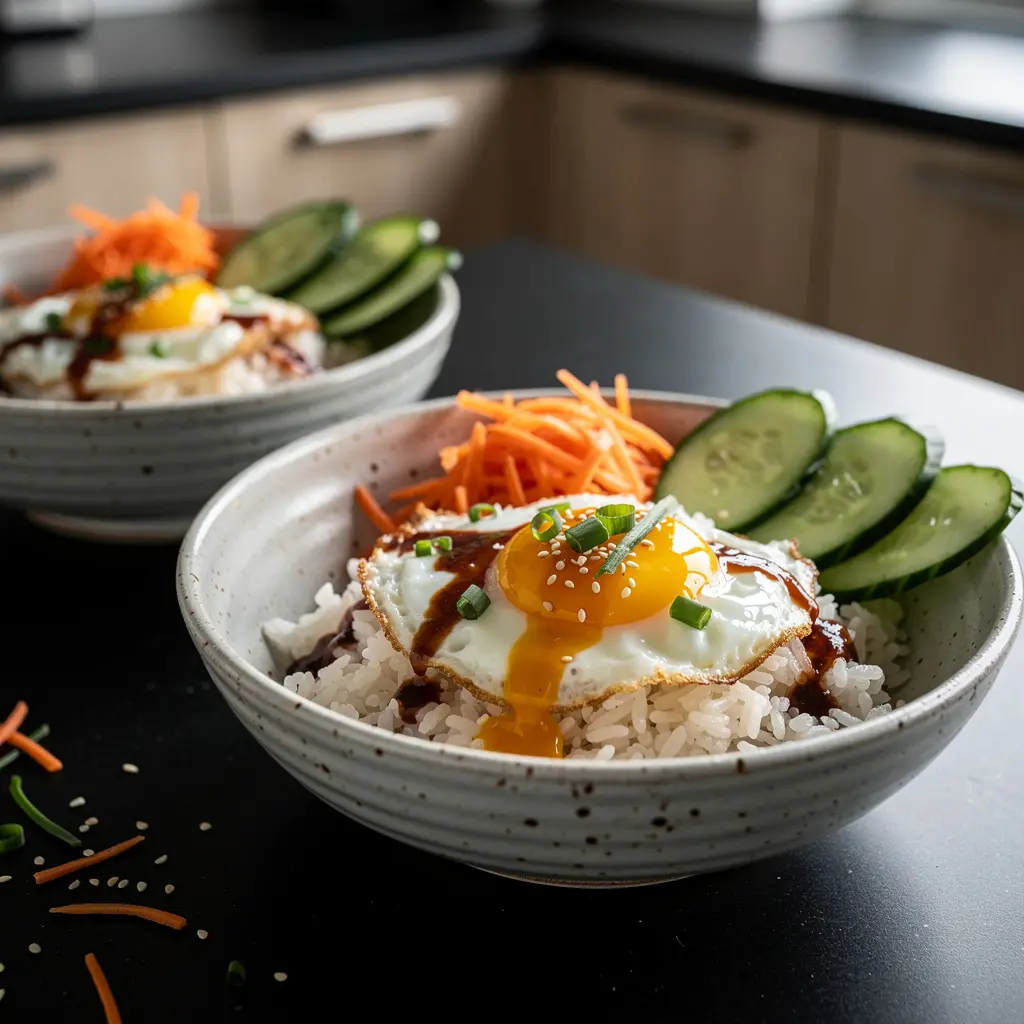
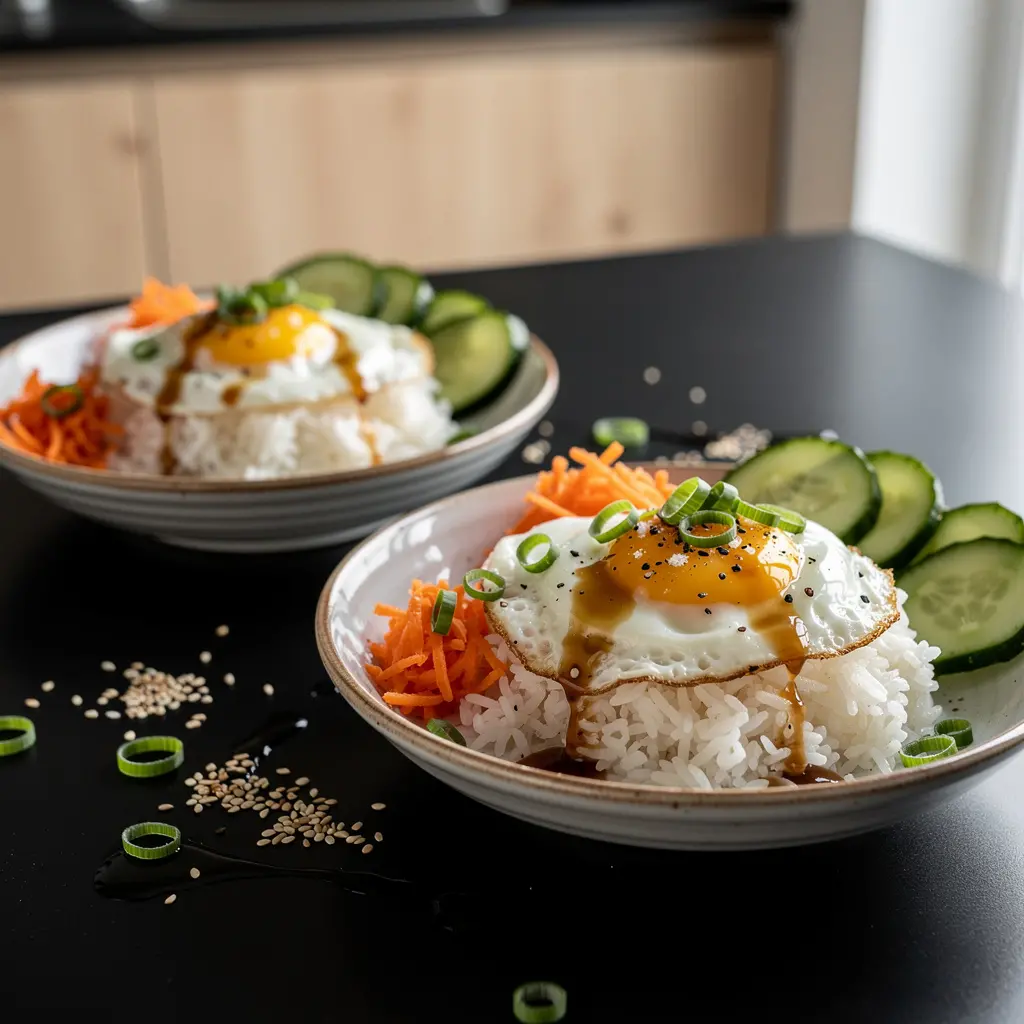
Serve directly from the pan with steamed white rice, jasmine rice, or short-grain rice. It also pairs well with crusty bread, sourdough, or toasted sandwich bread for dipping into the sauce and yolks. Add a simple cucumber salad or kimchi on the side for freshness and crunch.
Ingredients
- egg - 4 pieces
- chopped tomatoes canned - 400 g
- onion - 1 piece
- garlic cloves - 2 pieces
- gochujang paste - 1 tablespoon
- soy sauce - 1.5 tablespoons
- sugar - 1 teaspoon
- vegetable oil - 1 tablespoon
- sesame oil - 0.5 teaspoons
- chives chopped - 2 tablespoons
- black pepper ground - 0.25 teaspoons
Preparation
- Peel the onion and cut it into a small dice. Finely chop the garlic or press it through a garlic press. Chop the chives.
- Heat the vegetable oil in a medium pan with a lid over medium heat. Add the onion and fry for 3–5 minutes, stirring, until it softens and becomes slightly translucent without browning.
- Add the garlic and fry for about 30 seconds more, until it becomes very fragrant.
- Add the canned tomatoes, gochujang paste, soy sauce, and sugar to the pan. Mix thoroughly so the paste dissolves. Cook over medium heat for 8–10 minutes, until the sauce thickens slightly and the excess liquid evaporates.
- Taste the sauce and, if needed, season with pepper or a little more sugar. It should be mildly spicy, slightly sweet, and clearly tomato-forward.
- Use a spoon to make four small wells in the sauce. Crack one egg into each well, trying not to break the yolks.
- Reduce the heat to low, cover the pan with a lid, and simmer for 6–8 minutes, until the whites are set and the yolks remain slightly runny (or longer if you prefer fully set yolks).
- Drizzle everything with sesame oil and sprinkle with chopped chives. Serve immediately, ideally with rice or a slice of bread for scooping up the sauce.
Storage
No storage information available for this dish.
This is a great option when you’re craving something comforting and a bit different but don’t want to spend much time cooking. It’s flexible, forgiving, and easy to adapt to whatever vegetables or level of spiciness you prefer.