Cabbage Rolls with Meat and Rice in Tomato Sauce Recipe
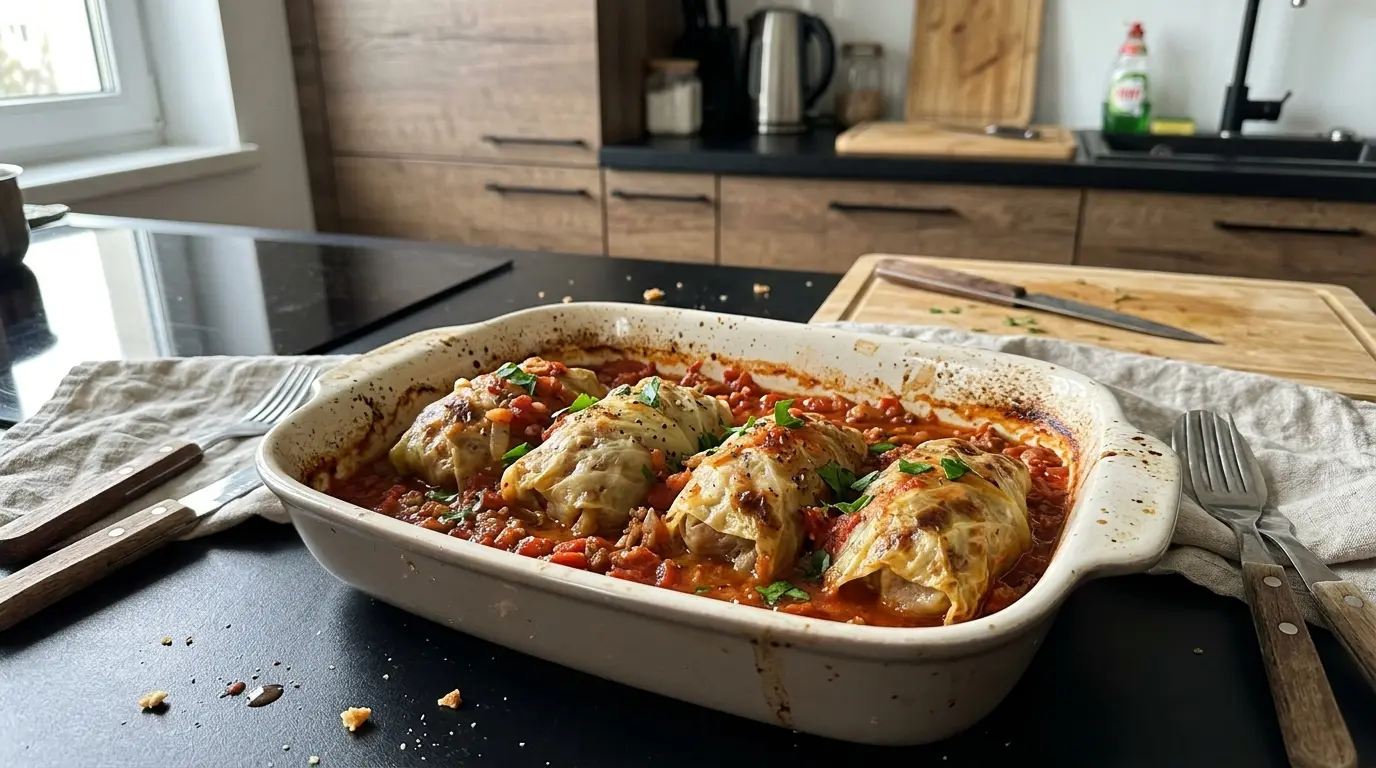
Cabbage rolls with meat and rice in tomato sauce are cabbage-leaf-wrapped rolls, slowly braised in an aromatic sauce. Soft, buttery cabbage encases a juicy meat-and-rice filling that becomes firm yet tender after long braising. This recipe guides you through blanching a whole head of cabbage and seasoning the filling so the rolls don’t fall apart and have a deep flavour.
Cabbage rolls are one of the most recognisable dishes of Polish home cooking, often served at Sunday and holiday lunches. Depending on the region, the filling may include buckwheat, barley or mushrooms, but the version with rice and meat in tomato sauce is the most popular.
Cabbage rolls with meat and rice in tomato sauce are the essence of Polish slow cooking – the aroma of braised cabbage and tomatoes can fill the whole house like at Sunday lunch. The combination of delicate cabbage leaves with a hearty filling and a mild, herb-scented sauce makes the dish soothing, flavourful and very satisfying. It’s one of those meals that taste even better reheated the next day, once the flavours have fully developed.
Why this version works
- Rice cooked al dente keeps its structure and doesn’t turn the filling into mush after braising.
- Blanching the whole head and removing the leaves gradually gives you large, intact leaves ideal for wrapping.
- Sautéed onion and garlic add sweetness and aroma without a sharp raw note.
- Braising in sauce that almost covers the rolls guarantees soft cabbage and juicy filling.
Chef's tips
When seasoning the filling, fry a small patty in a pan – it’s much easier to judge if it needs more salt and pepper than by tasting raw meat., If you’re using very lean meat, add 1–2 tablespoons of oil to the filling, otherwise the rolls may end up dense and dry inside after braising., I always let the cabbage cool slightly after blanching – leaves that are too hot burn your hands and are hard to roll tightly, which leads to splitting in the pot.
How to serve
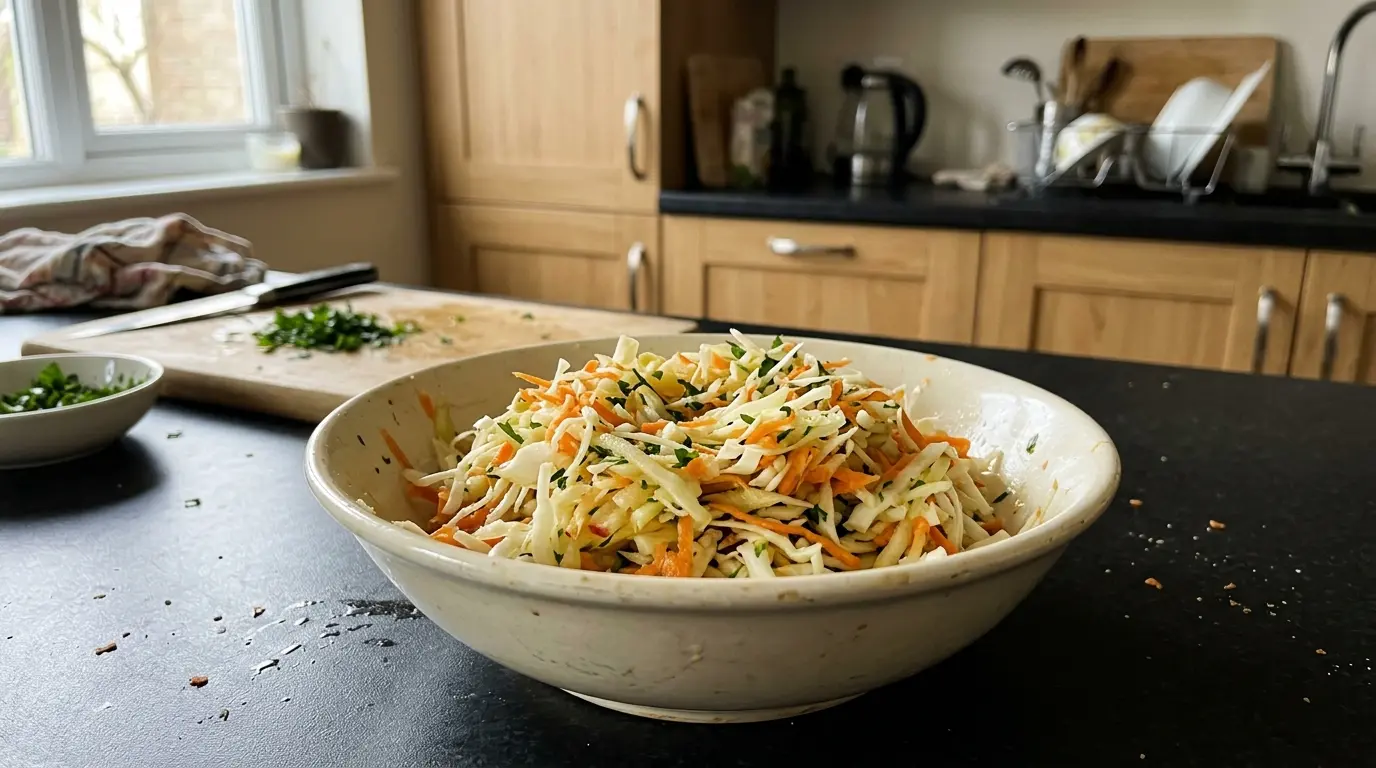
Serve the rolls with smooth mashed potatoes or fresh bread to soak up the sauce from the plate., Alongside, serve a simple carrot slaw or sauerkraut, which will boost the tomato acidity and refresh the dish.
Watch out for
- If you cook the cabbage leaves too long in the pot of water, they will become brittle and tear when rolling.
- Rolls that are wrapped too loosely can unravel during braising; the filling should be tightly encased in the leaf.
- Make sure the sauce doesn’t reduce too much and burn on the bottom, as it will quickly dominate the flavour of the whole dish.
Substitutions
- You can replace white rice with pearl barley or hulled barley, cooking them al dente.
- Substitute part of the pork-and-beef mixture with minced turkey for a lighter version.
- You can swap vegetable stock for chicken stock if you want a meatier, deeper sauce.
Ingredients
- cabbage large white (for leaves) - 1 piece
- minced meat pork and beef - 600 g
- rice white - 150 g
- onion - 1 piece
- garlic - 2 cloves
- egg - 1 piece
- tomato paste - 3 tablespoons
- passata or carton tomatoes - 500 ml
- vegetable stock or water - 400 ml
- oil vegetable - 2 tablespoons
- salt
- pepper ground black
- dried marjoram - 1 teaspoon
- sugar - 1 teaspoon
Preparation
- Cook the rice in lightly salted water for 2–3 minutes less than indicated on the package. Drain in a sieve and set aside to cool; the grains should be soft, springy and separate, not clumped together.
- Remove the outer leaves from the cabbage and cut out the core, making a conical cut with a knife. In a large pot bring water to a boil, salt it lightly so the head can be fully submerged.
- Place the cabbage in the boiling water core-side down. Cook for 5–10 minutes, removing the softened outer leaves every few minutes with tongs; they should be flexible and bend without cracking or discolouration.
- Set the blanched leaves aside on a plate until you have 14–16 nice pieces. From each leaf, slice off the thick central vein at the base so the leaf rolls more easily and doesn’t crack while rolling.
- Peel the onion and cut into a small dice, finely chop the garlic. Heat 1 tablespoon of oil in a pan and sweat the onion for 3–5 minutes until soft and slightly translucent, without browned edges.
- Add the garlic and fry for about 30 seconds, until very fragrant but not browned. Remove the pan from the heat and set aside to cool so it doesn’t cook the protein in the meat when mixing the filling.
- In a large bowl combine the minced meat, cooled rice, onion with garlic, egg, marjoram, salt and pepper. Knead with your hand for 2–3 minutes until the mixture is uniform, slightly sticky and starts to cling to your hand.
- Place a portion of filling the size of a large egg at the base of each cabbage leaf. Fold the sides in towards the centre, then roll tightly towards the tip of the leaf, forming compact rolls with no visible gaps.
- Line the bottom of a wide pot with a few leftover or damaged cabbage leaves as a base. Arrange the rolls seam-side down, snugly next to each other in one or two layers so they don’t float in the sauce.
- In a bowl mix the passata, tomato paste, stock, sugar, salt and pepper. The sauce should be quite bold, slightly sweet-and-sour, as it will mellow during braising and soak into the cabbage and filling.
- Pour the sauce over the rolls so they are almost completely covered; if needed, add some water. Bring to a boil over medium heat, then reduce the heat to very low and cover the pot with a lid.
- Simmer for 50–60 minutes, until the cabbage is soft and a thin knife slides into the centre of a roll without resistance. Check from time to time that the sauce is only gently bubbling and not reducing too much; if necessary, add a little water.
Storage
Store the rolls fully submerged in the sauce in the fridge for up to 3 days or freeze for up to 3 months. When reheating, make sure the sauce only gently simmers – boiling too vigorously softens the cabbage too much and dries out the filling.
I usually make cabbage rolls on Saturday evening so that on Sunday I only need to reheat the pot after a long walk – a few pieces always go straight into the freezer as an emergency lunch.