German Scrambled Eggs with Tomatoes and Chives (Rührei) Recipe
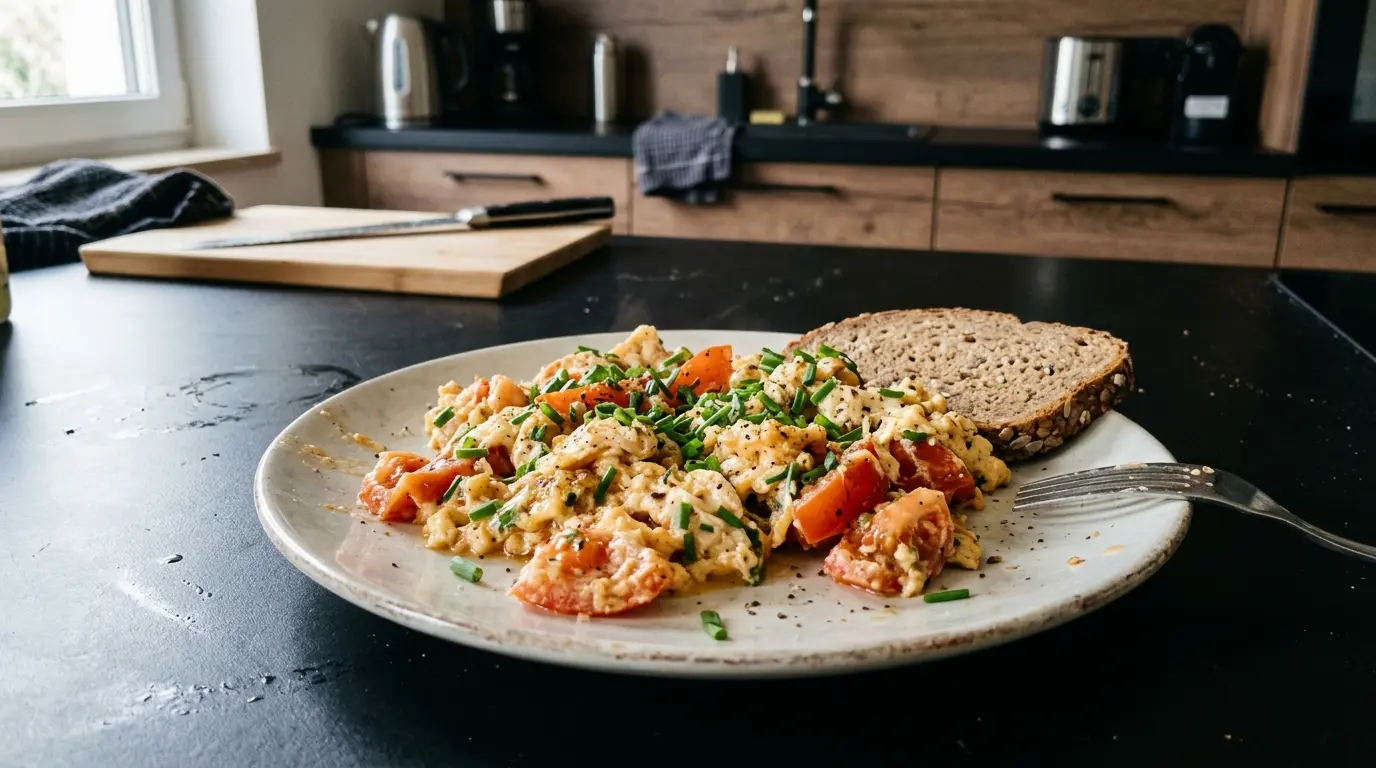
Rührei is the German version of scrambled eggs, usually gentler and creamier than the firmly set Polish style. In this version with tomatoes and chives, it’s perfect for a weekend breakfast or a light dinner. It’s a simple dish that appears almost every day on breakfast buffets in German hotels and guesthouses.
In German hotels and guesthouses, Rührei is a breakfast staple – it’s served loose and very creamy, often with herbs or vegetables, instead of the firmly set scrambled eggs common in Polish homes.
This German-style scrambled egg dish is extra creamy and delicate, and the addition of tomatoes and chives makes it feel like a complete meal rather than just plain eggs.
Why this version works
- Cooking over low heat and stirring calmly creates large, soft ribbons of scrambled egg instead of dry curds.
- Adding milk and butter keeps the eggs creamy for longer and prevents them from drying out on the plate.
- Briefly sautéing the tomatoes and evaporating their juice gives juiciness without a watery texture.
- Stirring in the chives at the end preserves their fresh color and delicate herbal aroma.
Chef's tips
Use low heat and don’t rush the cooking – that’s the key to soft, creamy Rührei. Take the pan off the heat while the eggs are still slightly runny; they will finish cooking on their own.
How to serve
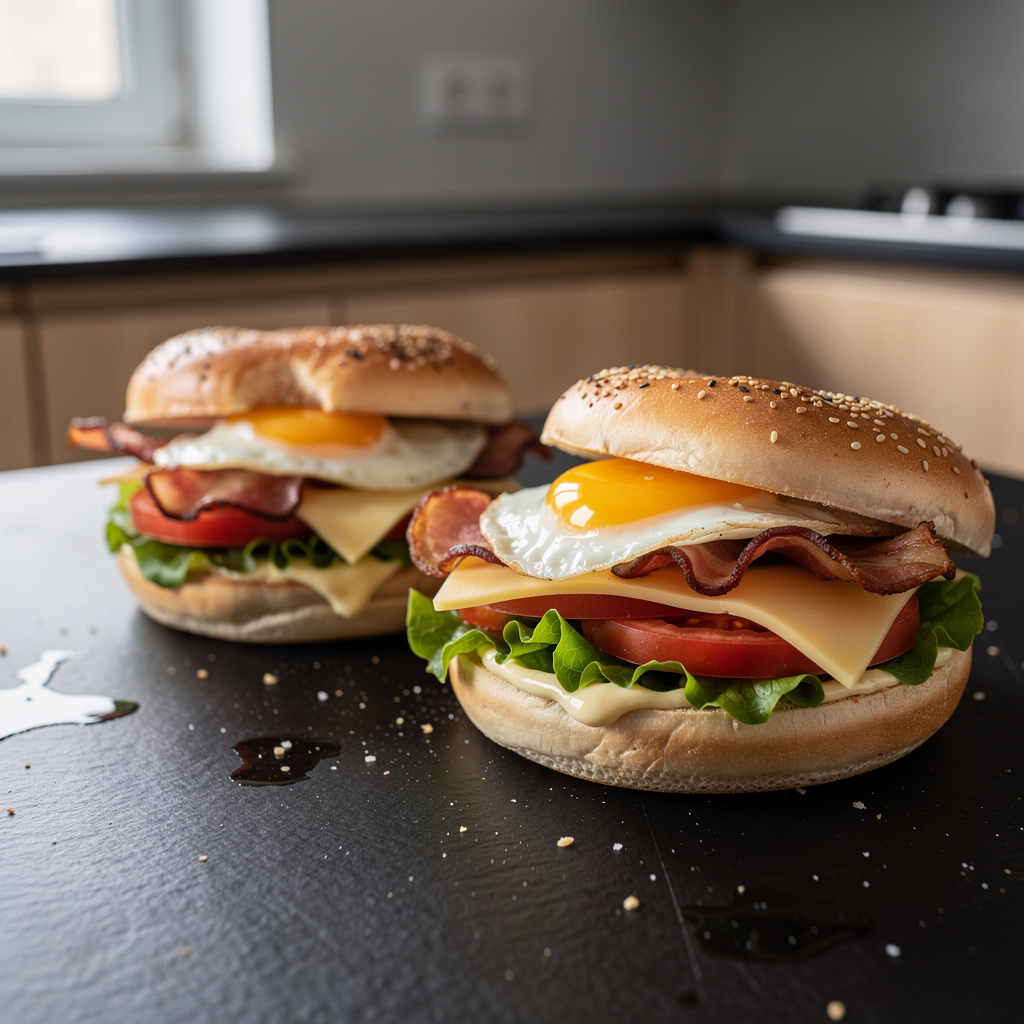
Serve on warm plates with fresh bread or rolls and a simple side salad of cucumber or lettuce. It also works well as a filling for a breakfast sandwich.
Watch out for
- Don’t turn up the heat to speed up cooking – the scrambled eggs will quickly dry out and turn grainy.
- Don’t wait until the eggs are completely set; remove the pan when the center is still slightly runny.
- Don’t stir too vigorously, or you’ll break the creamy ribbons into tiny pieces and the mixture will be drier.
Substitutions
- You can replace the milk with heavy cream (30%) for an even creamier version.
- Instead of fresh chives, use finely chopped spring onion greens or flat-leaf parsley.
- Out of season, replace regular tomatoes with cherry tomatoes, cut in halves.
Ingredients
- egg - 4 piece
- tomato - 2 piece
- chives - 2 tablespoon
- milk - 30 ml
- butter - 15 g
- salt
- black pepper
Preparation
- Wash and dry the tomatoes. If the skin is thick, scald them with boiling water and peel if you like, so there are no tough skins in the scrambled eggs. Cut into medium cubes, removing the hard parts near the stem.
- Rinse the chives and dry thoroughly with a paper towel so you don’t bring extra water to the pan. Finely chop with a sharp knife – it should be fresh, firm, and bright green.
- Crack the eggs into a bowl, add the milk and a pinch of salt and pepper. Beat with a fork or whisk until the mixture is evenly yellow, lightly foamy and without visible streaks of egg white.
- Melt the butter in a non-stick pan over low or medium heat until it starts to foam gently but does not brown. Add the tomatoes and fry for 2–3 minutes, until they soften and release their juices but the cubes still hold their shape.
- If a lot of liquid has collected in the pan, cook it off for another 30–60 seconds, until most of the juice has evaporated and you see a lightly thickened sauce. Reduce the heat to low.
- Pour in the egg mixture and wait 5–10 seconds, until it just starts to set and turn matte at the edges. With a spatula, slowly push the eggs from the edges toward the center in wide strokes every few seconds.
- Continue gently stirring until the eggs are about 90% set – the mixture should be glossy and creamy, with a little bit of runny egg in the thickest part. When it looks “a little too soft”, take the pan off the heat.
- Add the chopped chives and fold in very gently so you don’t break up the soft ribbons. Immediately transfer the scrambled eggs onto warm plates, as they would quickly overcook and firm up in the hot pan.
Storage
Scrambled eggs are best eaten immediately; if left too long, they become dry and rubbery. If you must keep leftovers, cool them quickly, store in the fridge in a closed container and reheat very gently, but be aware the texture will worsen.
I like to leave the tomatoes slightly chunky so they add juiciness to each bite, and I always add the chives at the very end to keep their fresh, green flavor.