Turkish Rice Pilaf with Orzo Pasta Recipe
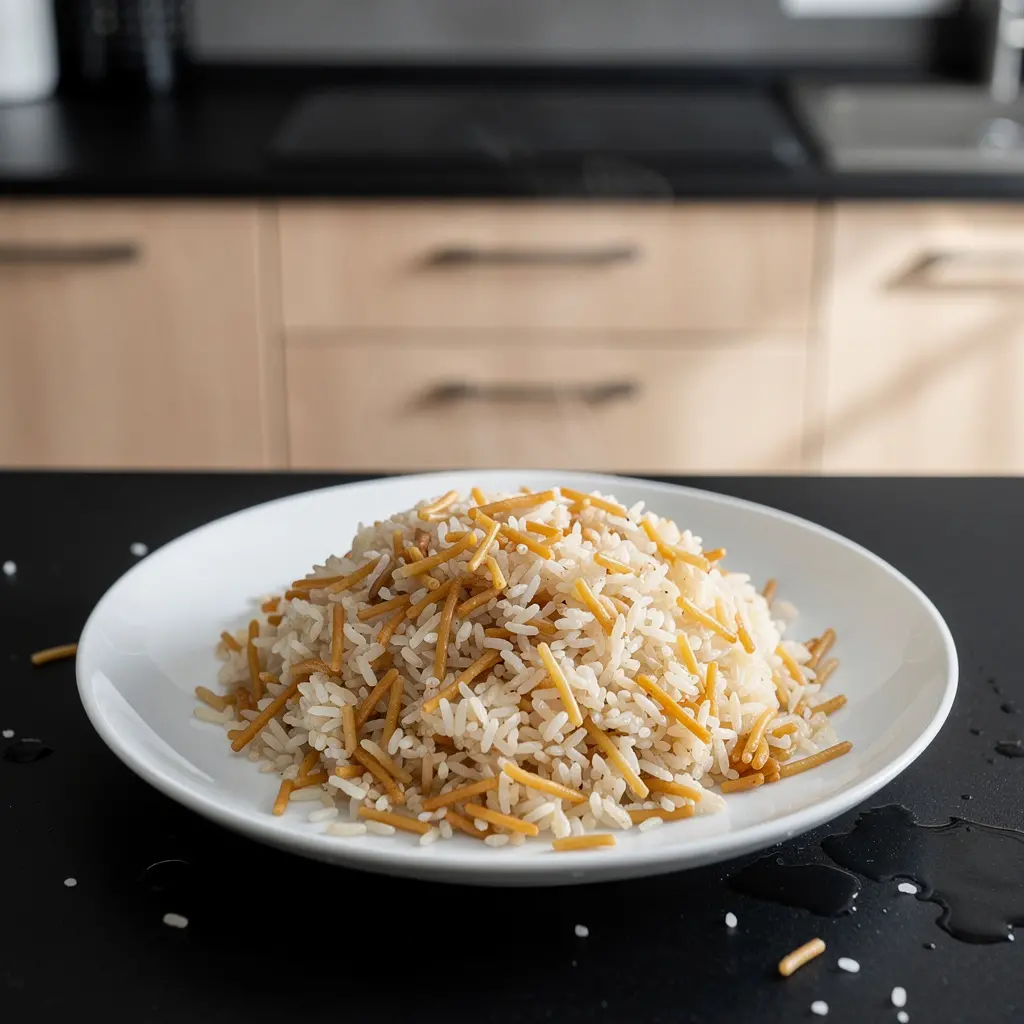
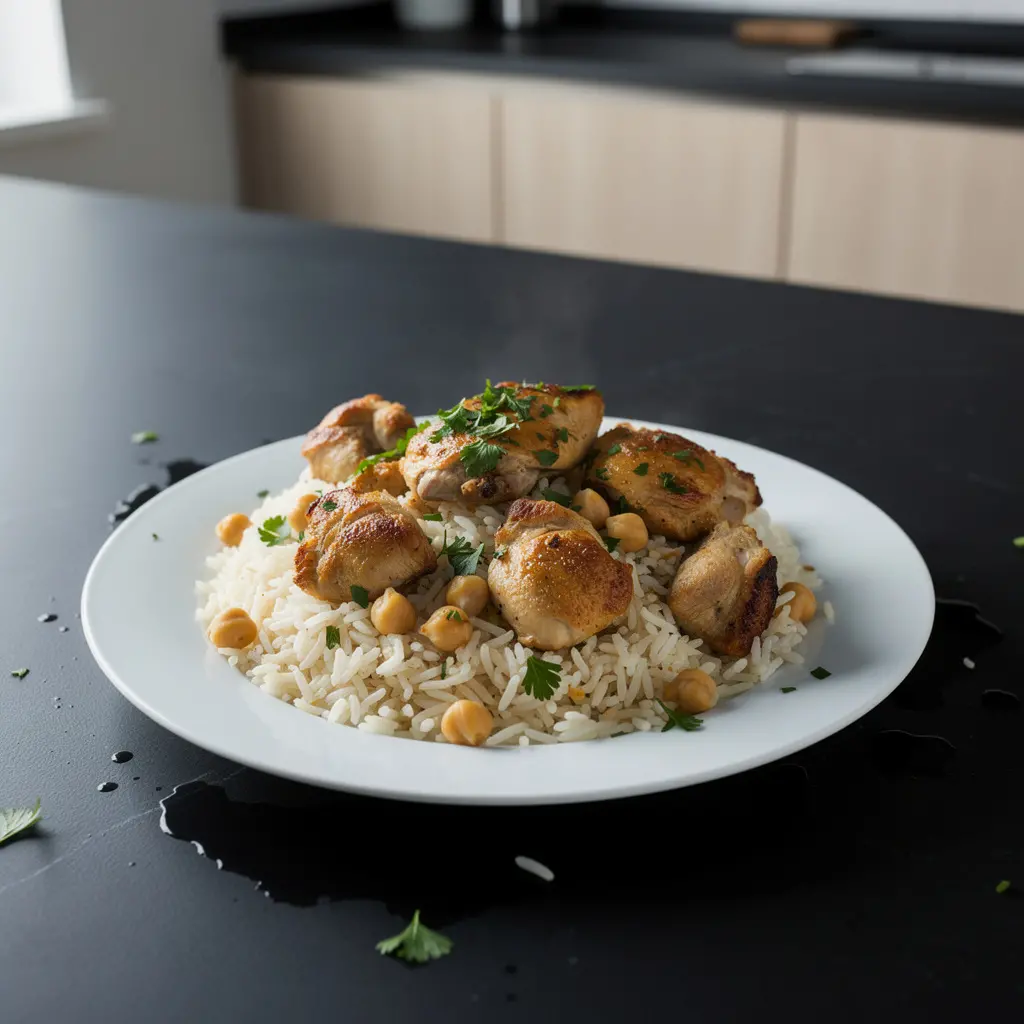
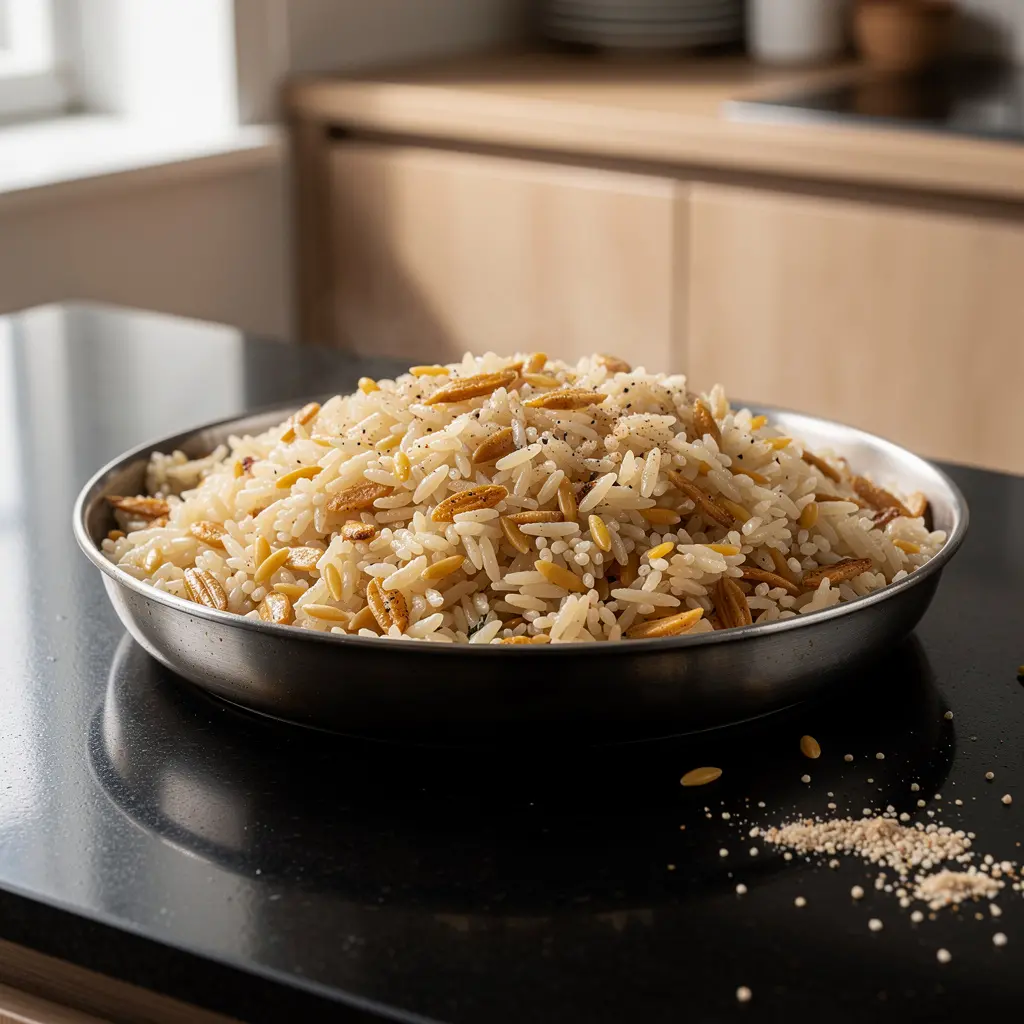
This is a fluffy rice dish sautéed with tiny orzo pasta, which gives it a nutty aroma and interesting texture. In Turkey, this kind of pilaf often replaces potatoes and is served with braised meats, stews, and roast chicken. The flavor is a bit similar to Italian risotto, but it’s less creamy and more loose and fluffy.
This pilaf combines simple pantry ingredients into a side dish with a surprisingly rich, nutty flavor thanks to toasting the orzo. The method keeps the rice fluffy and separate, making it a versatile accompaniment to many main dishes.
Chef's tips
Rinse the rice thoroughly and drain it well – this is key for a loose, non-sticky pilaf. Use a heavy-bottomed pot and keep the heat low during cooking so the bottom doesn’t burn before the rice absorbs all the liquid. Resist the temptation to stir while it cooks; just fluff it at the end with a fork.
How to serve
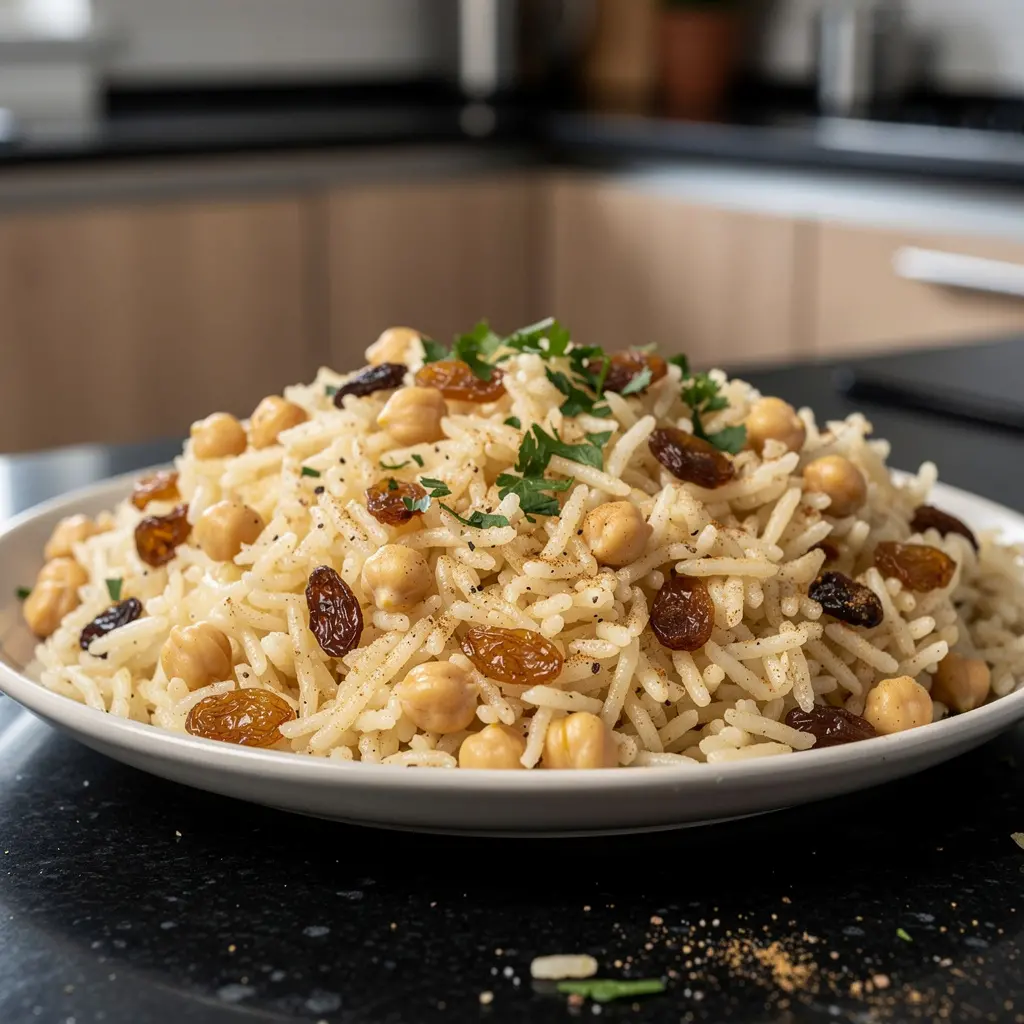
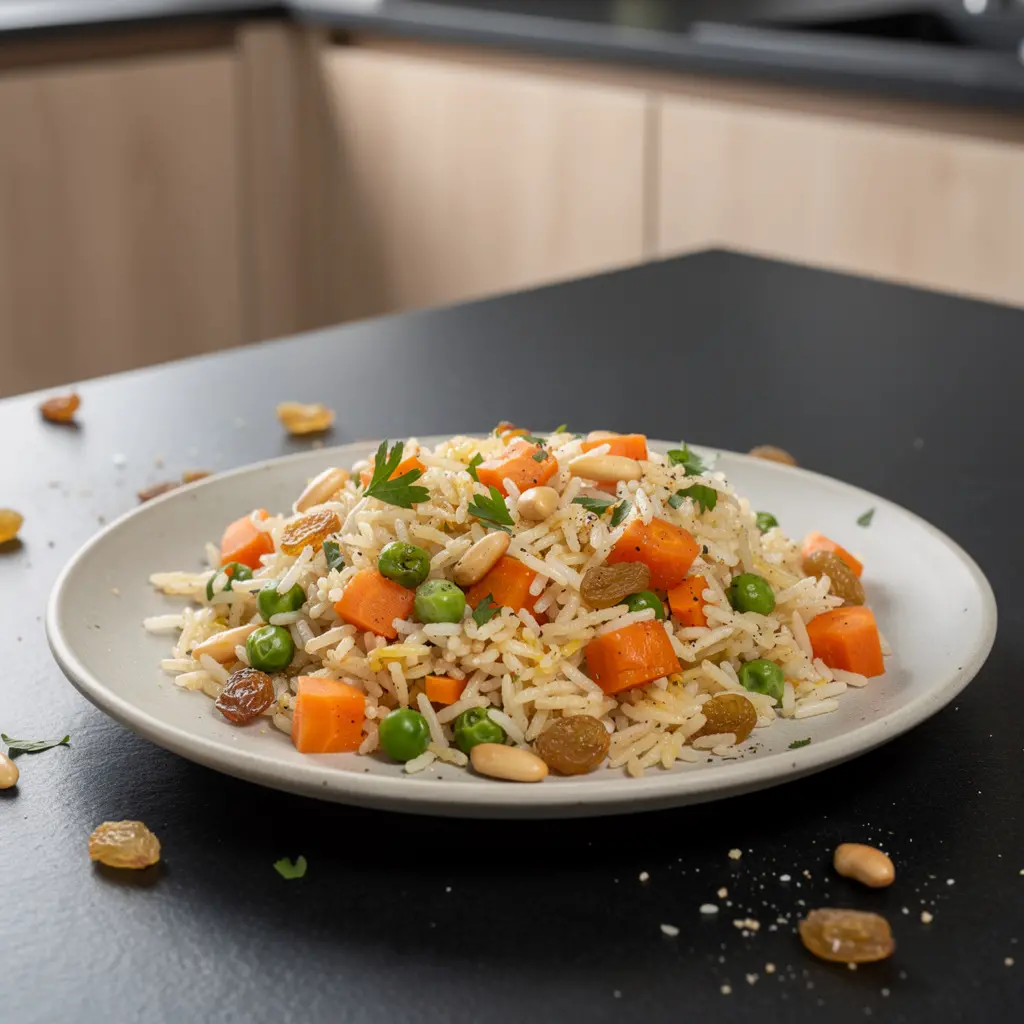
Serve in a shallow bowl or on a large platter, fluffed with a fork. Pair with braised lamb or beef, roast chicken with pan juices, or vegetable stews with tomatoes and peppers. Add a spoonful of thick yogurt and a fresh herb salad for a simple, satisfying meal.
Ingredients
- rice - 200 g
- orzo pasta - 60 g
- butter - 30 g
- vegetable oil - 1 tablespoon
- chicken stock hot - 450 ml
- salt - 0.5 teaspoons
- black pepper ground - 0.25 teaspoons
- bay leaf - 1 piece
Preparation
- Put the rice into a bowl, cover with warm water, stir with your hand and pour off the cloudy water. Repeat rinsing 2–3 times until the water is almost clear, then cover with fresh warm water and set aside for 10 minutes. After this time, drain the rice in a sieve and let it drain very well.
- In a heavy-bottomed pot, heat the butter with the tablespoon of oil over medium heat. Add the orzo pasta and fry for 3–4 minutes, stirring often, until it turns golden brown and starts to smell slightly nutty.
- Add the drained rice and fry together with the pasta for about 2 minutes, stirring, until every grain of rice is coated in fat and turns slightly glossy white.
- Pour in the hot stock, add the bay leaf, salt, and pepper. Gently stir only once to distribute the rice and pasta evenly.
- Bring to a boil, then reduce the heat to very low, cover the pot with a lid, and cook for 12–15 minutes, until the rice has absorbed all the liquid. Do not stir during this time so the pilaf stays fluffy and loose.
- After this time, turn off the heat and leave the pot covered for another 10 minutes so the rice can finish steaming.
- Remove the bay leaf, then gently fluff the pilaf with a fork, lifting the rice from the bottom to the top instead of stirring with a spoon. Serve immediately as a side dish to a main course.
Storage
No storage information available for this dish.
This Turkish-style rice with orzo is one of those sides that quietly steals the show at the table. Once you get used to toasting the pasta and leaving the rice undisturbed while it cooks, it becomes an easy, reliable recipe you can adapt to almost any main course.