Tamagoyaki – Japanese Rolled Omelette Recipe
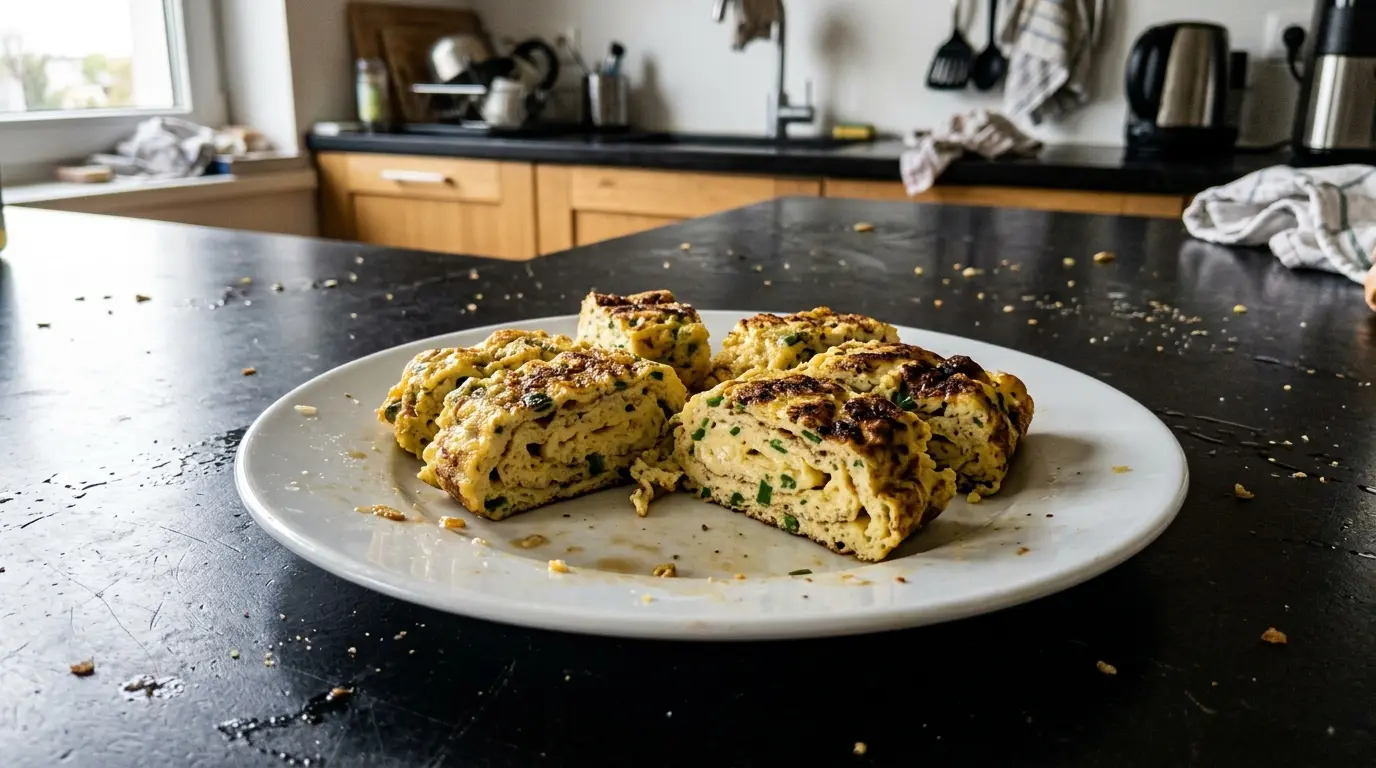
Tamagoyaki is a delicate, slightly sweet omelette rolled into several layers, which Japanese people often pack into bento boxes or eat for breakfast. It looks like a small yellow roulade that you slice into neat pieces. The taste is reminiscent of a mix between scrambled eggs and a pancake, but in a very fluffy version.
Tamagoyaki is a staple of Japanese breakfasts and bento boxes, and in sushi bars it often appears as nigiri. In many households, the flavor and level of sweetness of the omelet are a kind of signature for a particular family.
This classic Japanese rolled omelette combines a fluffy texture with a subtle balance of sweet and savory flavors, and its layered look makes even a simple egg dish feel elegant and restaurant-worthy.
Why this version works
- The thin-layer technique lets you get an even roll even on a regular round pan.
- Straining the egg mixture removes bits of egg white and air bubbles, so the cross-section looks smooth, like from a bento shop.
- Constant heat control keeps the omelet pale yellow with a juicy center and no scorching.
Chef's tips
Use medium heat so the egg sets gently without browning too much—tamagoyaki should stay soft and yellow, not browned. Lightly oil the pan before each layer to prevent sticking and to keep the layers distinct. If you are new to rolling, start with slightly smaller amounts of egg mixture so it is easier to control.
How to serve
Serve sliced tamagoyaki with steamed rice, pickles, and miso soup for a Japanese-style breakfast, or add it to sushi platters and bento boxes. It also pairs well with soy sauce, a little grated daikon, or a drizzle of ponzu on the side.
Watch out for
- Don’t start rolling while the top is still runny – the mixture will leak out the sides and tear the layer.
- Don’t pour the egg mixture too thick; a thin layer sets evenly and rolls much more easily.
- If the egg starts to stick, take the pan off the heat and wipe it thoroughly with oil.
Ingredients
- egg - 4 piece
- dashi stock - 30 ml
- sugar - 8 g
- soy sauce - 5 ml
- salt - 1 g
- vegetable oil - 10 ml
- chives - 3 g
Preparation
- In a bowl, crack the eggs and mix thoroughly with a fork or chopsticks, trying not to incorporate too much air (stir with horizontal motions).
- Add the dashi stock, sugar, soy sauce, and salt. Stir until the sugar dissolves and the mixture is uniform.
- If you want a very smooth omelette, you can pour the egg mixture through a fine sieve into another bowl to remove air bubbles and any remaining bits of egg white.
- Heat a small rectangular tamagoyaki pan or a regular small round pan (about 18–20 cm) over medium heat. Brush with a thin layer of oil using a brush or folded paper towel.
- Pour in a thin layer of the egg mixture, just enough to cover the bottom of the pan. Tilt the pan so the egg spreads evenly.
- Cook for 30–60 seconds, until the surface is almost set but still slightly moist. Start rolling the omelette from one edge to the other, using a spatula or chopsticks to help, forming a roll.
- Move the rolled omelette to one side of the pan. Brush the empty part of the pan again with a thin layer of oil.
- Pour in another thin portion of the egg mixture, lifting the roll slightly so the egg flows underneath as well. Cook until the mixture is almost set, then roll it back, this time wrapping it around the existing omelette.
- Repeat this process until you use up all the egg mixture (usually 3–4 layers). At the end, gently press the roll with a spatula from each side and cook for about 30 seconds more so the whole omelette sets.
- Transfer the finished omelette to a cutting board and let it cool slightly for 2–3 minutes. Slice into pieces about 2 cm thick with a sharp knife. Sprinkle with chopped chives and serve warm or at room temperature.
Storage
No storage information available for this dish.
Once you get used to the rolling technique, tamagoyaki becomes a quick and comforting staple. Adjust the sweetness and dashi to your taste—sweeter for a snack, more savory for a side dish with rice.