Tagliatelle with Zucchini, Lemon and Parmesan Recipe
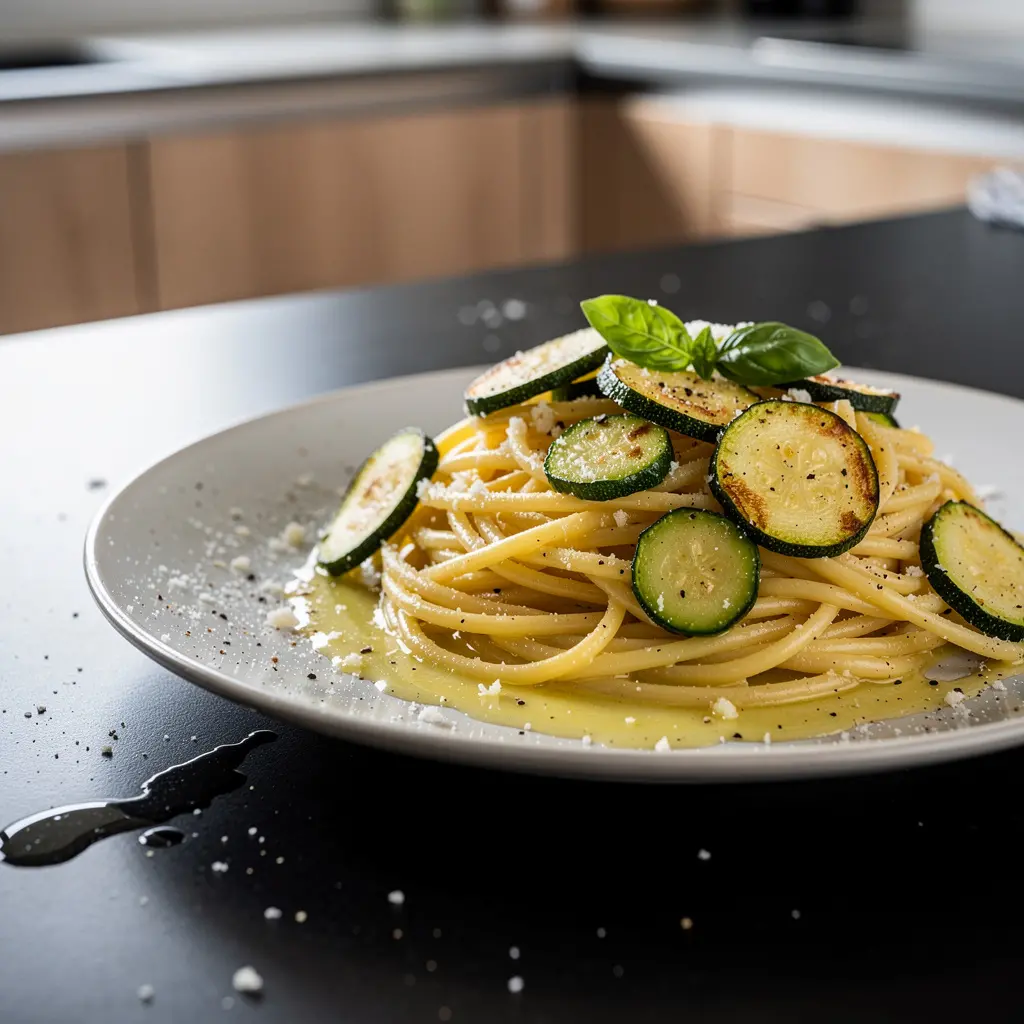
A super quick pasta with thin strips of zucchini, lemon and plenty of Parmesan. The dish is light, fragrant and very simple – a typical example of Italian cooking, where a few ingredients turn into something you’ll want to eat every week. Perfect for a quick after-work lunch or dinner.
This dish is a spin on light vegetable pastas from northern Italy, where the sauce relies on olive oil, butter and starchy pasta water instead of cream, and lemon brings freshness without heavy add‑ins.
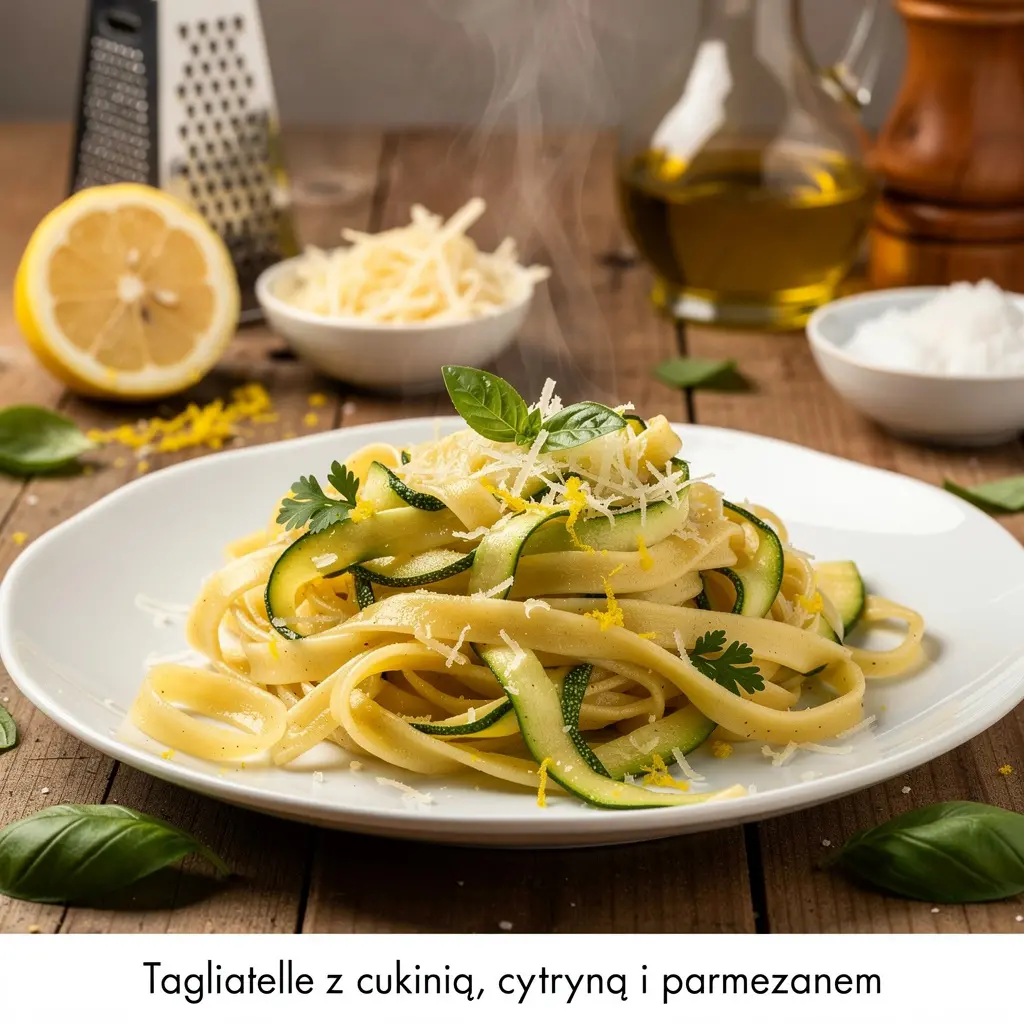
Tagliatelle with zucchini, lemon and Parmesan is the essence of light Italian cooking: just a few ingredients, yet the result is surprisingly aromatic and fresh. Thin ribbons of zucchini combine with butter, olive oil and lemon zest to create a sauce that coats the pasta instead of overwhelming it.
Why this version works
- Zucchini cut into ribbons softens quickly and blends in with the pasta instead of staying in separate chunks.
- Starchy pasta water emulsifies with the olive oil and butter, creating a naturally creamy sauce without cream.
- Adding Parmesan off the heat prevents it from clumping and gives a smooth, silky texture.
- Adding the lemon at the end preserves its fresh aroma and balances the buttery richness of the sauce.
Chef's tips
It’s worth cutting the zucchini into really thin ribbons using a vegetable peeler or mandoline – that way it softens in a few minutes and doesn’t release too much water. Cook the pasta al dente and add it straight to the pan with the sauce, keeping some cooking water to adjust the consistency. Be careful with the salt – Parmesan is salty, so it’s better to season at the end after tasting.
How to serve
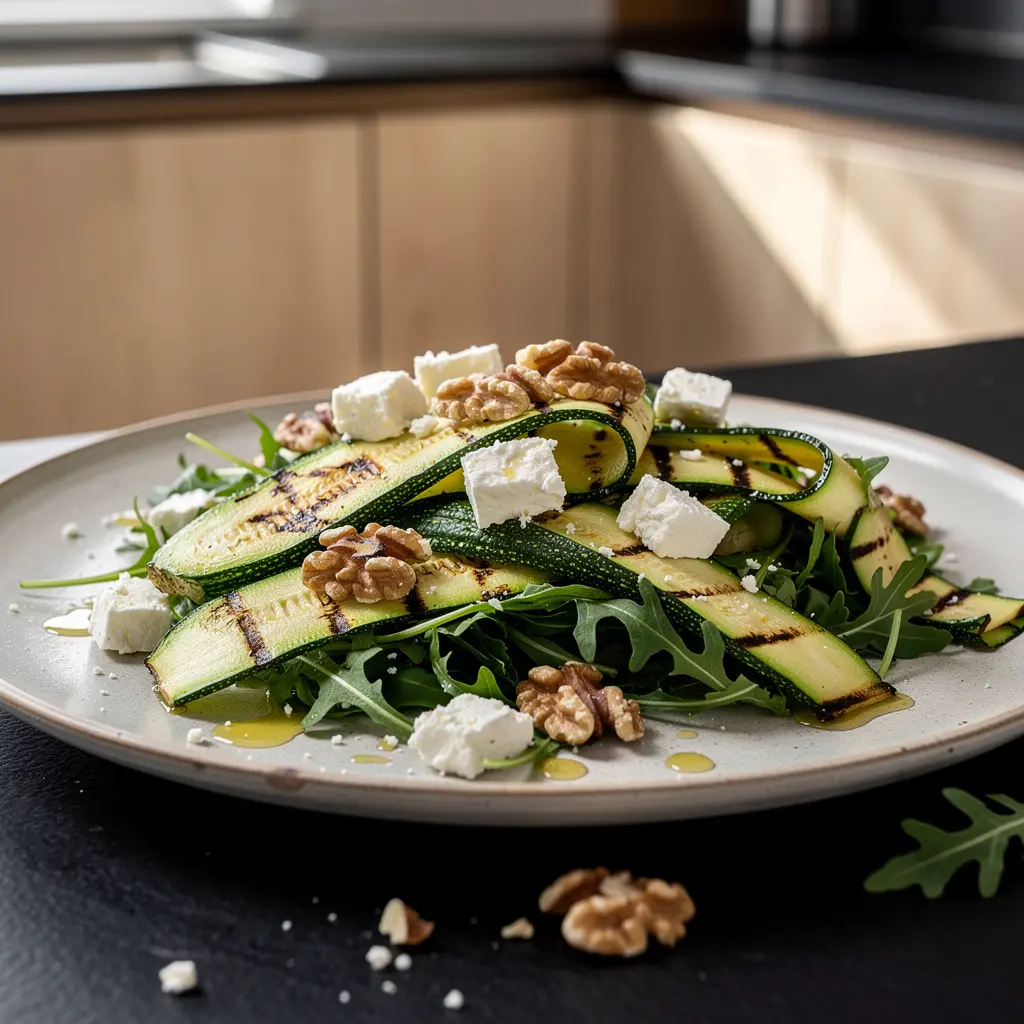
This dish is perfect as a quick after-work meal when you have a single zucchini and a piece of Parmesan in the fridge. Serve it with a glass of dry white wine, such as Soave, and a simple arugula salad with a drizzle of olive oil. For a light summer dinner on the terrace, just add a few cherry tomatoes and you have a complete, light set.
Watch out for
- Don’t cover the pan with the zucchini – under a lid it will release a lot of water and the sauce will end up watery.
- Don’t overcook the pasta; it should be distinctly al dente, as it will cook a bit further in the pan.
- Hold off on salting until after you add the Parmesan, which is naturally quite salty.
Substitutions
- You can replace Parmesan with another aged hard cheese, such as Grana Padano.
- Instead of tagliatelle, use another long pasta shape, such as spaghetti or fettuccine.
- You can skip the butter and add 1 extra tablespoon of olive oil if you want a lighter version.
- You can easily swap basil for flat‑leaf parsley if that’s what you have on hand.
Ingredients
- tagliatelle pasta or another long pasta - 200 g
- zucchini small or medium - 2 piece
- garlic - 2 cloves
- olive oil - 3 tablespoons
- butter optional, for extra creaminess - 20 g
- Parmesan cheese plus a little extra for serving - 40 g
- grated lemon zest only the yellow part - 1 teaspoon
- lemon juice freshly squeezed - 1 tablespoon
- fresh basil or flat-leaf parsley chopped - 2 tablespoons
- salt to taste
- pepper to taste
Preparation
- Bring a large pot of well‑salted water to a boil (it should taste distinctly salty, like the sea). Add the tagliatelle and cook until al dente for as many minutes as indicated on the package; before draining, reserve about 1 cup of the cooking water.
- Wash the zucchinis. Using a vegetable peeler or mandoline, cut them into long, thin strips resembling pasta; set aside the very soft, heavily seedy core so the sauce doesn’t turn watery.
- Peel the garlic and chop it finely or press it through a garlic press. Finely grate the Parmesan, and chop the herbs. Finely grate the zest from the lemon, taking only the yellow part, and squeeze out the juice.
- Heat 3 tablespoons of olive oil in a large pan over medium heat. Add the garlic and sauté for 30–40 seconds, stirring often, until it smells intense and softens slightly but stays pale; if it starts to brown, immediately lower the heat.
- Add the zucchini ribbons, season with a pinch of salt and sauté for 4–5 minutes, stirring gently. The zucchini should soften, look slightly matte and curl into ribbons, but still be springy, not mushy.
- If a lot of liquid from the zucchini collects in the pan, raise the heat and cook briefly without a lid until some of the juices evaporate and a slightly thickened, glossy sauce remains on the bottom.
- Add the butter, lemon zest and lemon juice. Stir for about 1 minute, until the butter has completely melted and the sauce is fragrant and lightly emulsified, with no visible pools of fat on top.
- Add the drained pasta to the pan. Toss thoroughly with the zucchini, gradually adding the reserved cooking water (usually 3–5 tablespoons), until the sauce turns slightly creamy and evenly coats the strands of pasta.
- Remove the pan from the heat, add the grated Parmesan and chopped herbs. Stir vigorously for 20–30 seconds, until the cheese melts and the sauce is smooth; if it seems too thick, add a little more pasta water.
- Taste and season with salt and freshly ground black pepper. Serve immediately, topped with extra Parmesan and fresh herbs, before the pasta absorbs all the sauce and turns too dry.
Storage
Store leftover pasta in an airtight container in the fridge for up to 1 day. Reheat gently in a pan with a splash of water or a little olive oil, stirring until warmed through.
I always make this pasta when I come back from the market with zucchini and don’t feel like spending more than 15 minutes in the kitchen. It’s also my go-to recipe for an “unexpected guest” – I usually have the ingredients on hand, and the finished dish looks like it took much more effort than it actually did.