Suji halwa – sweet semolina with cardamom Recipe
Suji halwa is a warm Indian sweet with a soft, spoonable texture and the aroma of toasted semolina and cardamom. This method is calibrated for fine-to-medium semolina, with grains resembling fine sand. The raisins soften in the hot milk mixture rather than being fried, while separately toasted cashews retain their color and gentle crunch.
Suji halwa is prepared in homes across India for festivals, pujas, family occasions, and simple sweet breakfasts. It may be offered as prasad or served straight from the pan while still warm. Regional versions vary in richness and texture, but careful roasting of the semolina is central to the dish.
The appeal lies in the contrast between fragrant, evenly toasted semolina, tender raisins, and lightly crisp cashews. It remains moist enough to spoon comfortably, while the measured sugar and pinch of salt keep the sweetness balanced rather than heavy.
Why this version works
- Dissolving the sugar in the hot liquid prevents gritty patches and distributes the sweetness evenly.
- Briefly simmering the raisins allows them to absorb moisture; frying alone would only warm and gloss them.
- Toasting the cashews separately gives them controlled color without risking burnt nuts during the longer semolina-roasting stage.
- Fine-to-medium semolina matches the stated 8–10 minute roasting time and produces a cohesive but distinctly granular halwa.
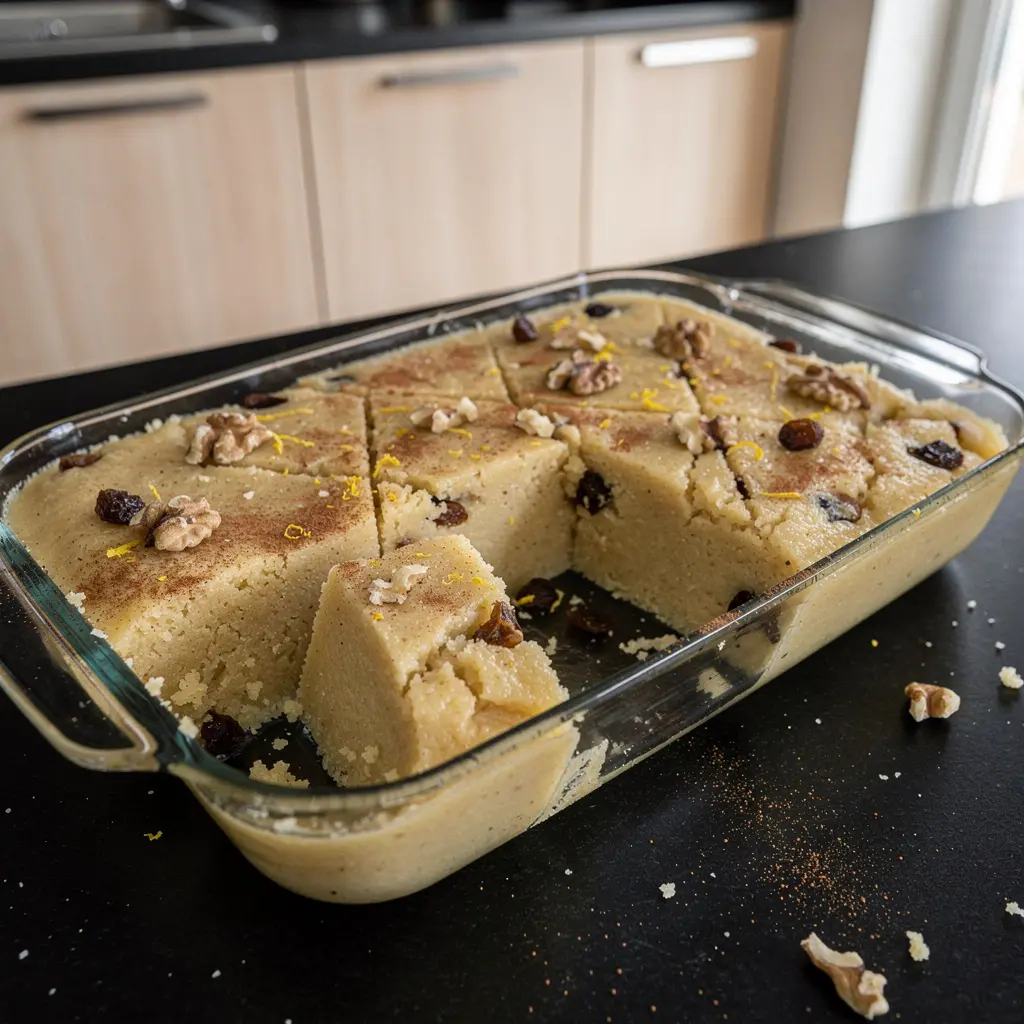
- The halwa is removed while still spoonable, which suits its milk-and-water ratio better than attempting to set and cut it into firm pieces.

Chef's tips
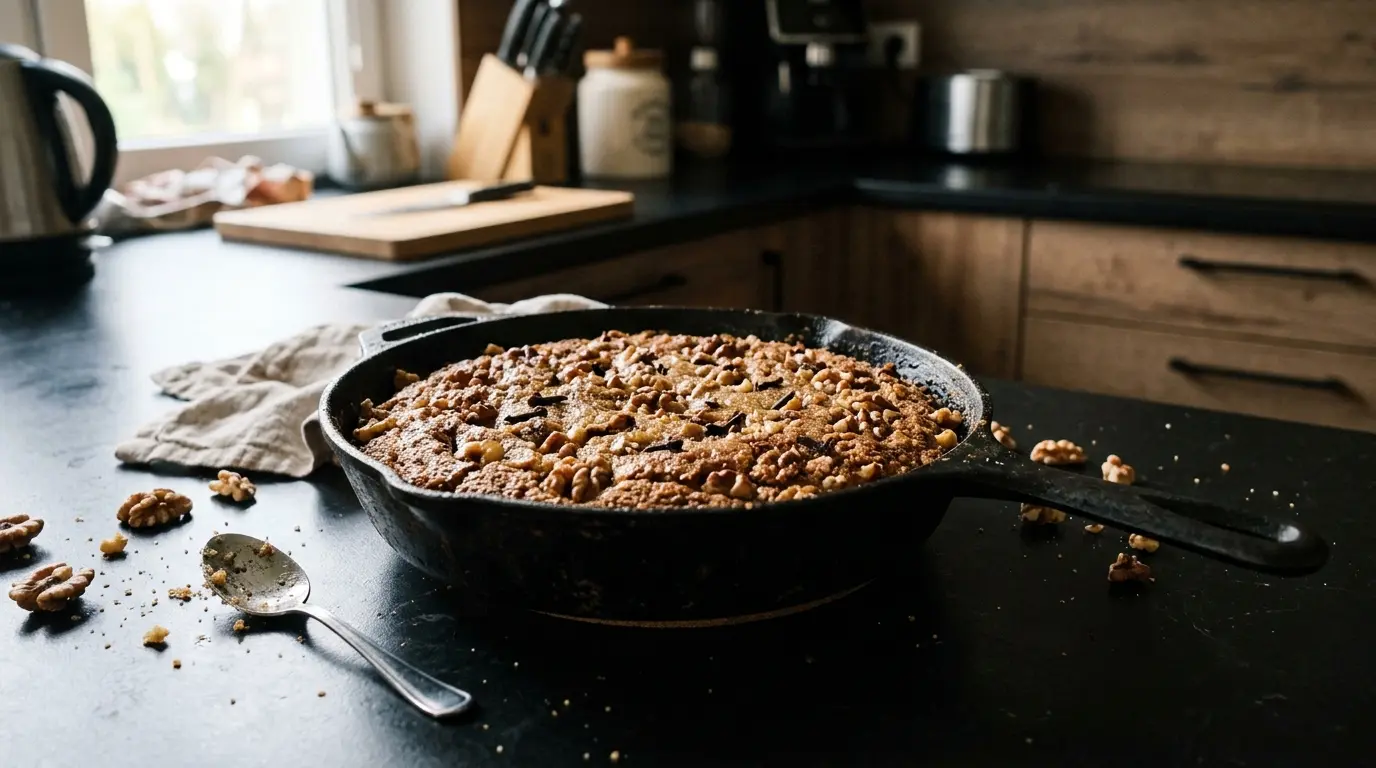
A wide pan speeds evaporation and makes it easier to toast every grain evenly. Let aroma guide you as much as color: properly roasted semolina smells nutty and biscuit-like but should remain only pale golden. If it still smells raw after 8 minutes, continue for another minute or two over low heat rather than increasing the temperature.
How to serve
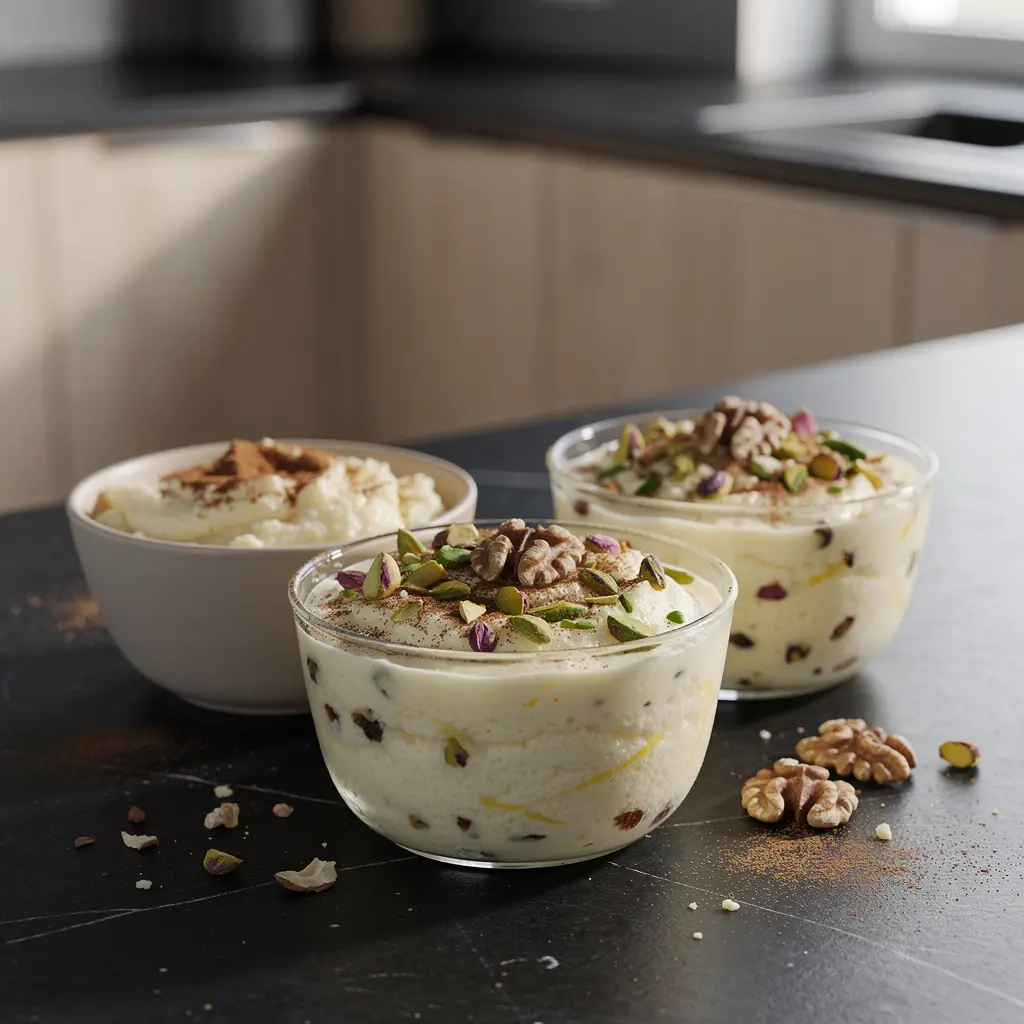
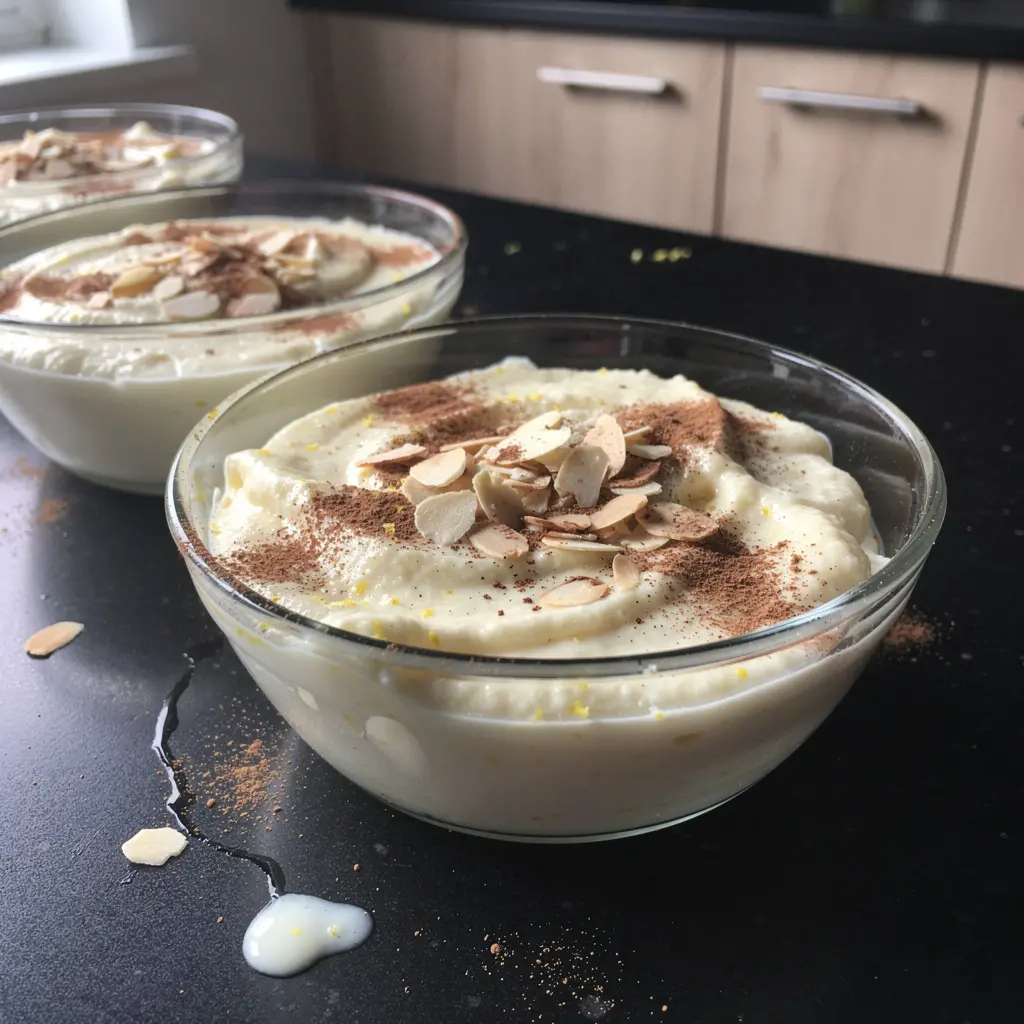
Serve the halwa warm, when it is at its softest and most aromatic. Spoon it into small bowls or shape it into loose mounds, finishing with the reserved toasted cashews from the measured quantity. At room temperature it will be denser, so stir it gently before serving rather than trying to cut it into diamonds.
Watch out for
- Do not walk away while roasting the semolina. Once it becomes hot, it can change from pale gold to scorched in less than a minute.
- Keep the milk mixture at a gentle simmer rather than a rolling boil so it does not foam over or catch on the bottom.
- The first addition of hot liquid will bubble and steam forcefully. Add it gradually and use a deep pan with a long-handled spoon.
- Avoid cooking until the halwa looks dry in the pan. Semolina continues absorbing moisture as it rests and will become noticeably firmer within a few minutes.
Substitutions
- Fine and medium-grind semolina are both suitable. Fine semolina may finish roasting after 6–8 minutes and will thicken quickly once the liquid is added.
- If only coarse semolina is available, keep the quantities unchanged but toast it for 10–12 minutes and allow an additional 2–3 minutes of covered cooking or resting.
- Whole, halved, or broken cashews all work; chop larger pieces so they toast evenly in the butter.
Ingredients
- semolina - 150 g
- butter - 60 g
- sugar - 80 g
- water - 450 ml
- milk - 100 ml
- raisins - 30 g
- cashew nuts - 20 g
- ground cardamom - 0.5 teaspoon
- salt - 1 pinch
Preparation
- Chop the cashews into small pieces. Use fine-to-medium semolina for the stated timing and liquid ratio; it should look granular rather than floury, but not as coarse as pasta semolina.
- Combine the water, milk, sugar, raisins, and salt in a saucepan. Bring to a gentle boil over medium heat, stirring until the sugar has completely dissolved. Simmer for 2 minutes so the raisins begin to soften, then stir in the cardamom and keep the mixture hot over the lowest heat. Watch closely, as the milk can foam and rise.
- Melt the butter in a wide, heavy pan over medium-low heat. Add the chopped cashews and fry for 1–2 minutes, stirring, until pale golden. Lift them out with a spoon and set aside, leaving the butter in the pan.
- Add the semolina to the butter. Toast over medium-low heat for 8–10 minutes, stirring continuously and scraping across the base of the pan. It is ready when the grains flow loosely from the spoon, the color is evenly pale golden, and the aroma changes from raw cereal to warm and biscuity. Lower the heat if you see dark patches forming.
- Turn the heat to low. Bring the milk mixture back to a near-boil, then pour it into the toasted semolina in three careful additions, stirring firmly with a long-handled spoon after each one. Expect vigorous bubbling and plenty of steam; keep your face and hands away from the pan.
- Cover and cook over low heat for 4 minutes, stirring once halfway through. Uncover and cook for another 1–2 minutes, stirring, until the grains are tender and the halwa forms a soft mass that begins to release from the sides. A spoon drawn through it should leave a track that closes slowly; do not wait until the mixture becomes dry or firm.
- Remove from the heat and fold in the toasted cashews, reserving a few from the measured amount for the top if desired. Rest for 3 minutes, then stir once and serve warm in bowls or shape into soft individual mounds.
Storage
Store the halwa in an airtight container; when reheating, add 1–2 tablespoons of milk or water and warm over low heat or in the microwave, stirring until soft again.
I prefer to stop cooking when a spoonful settles softly instead of holding a rigid shape. After the short rest, that leaves the halwa plush and cohesive, with individual toasted grains still perceptible.