Roasted Red Pepper and Curd Spread Recipe
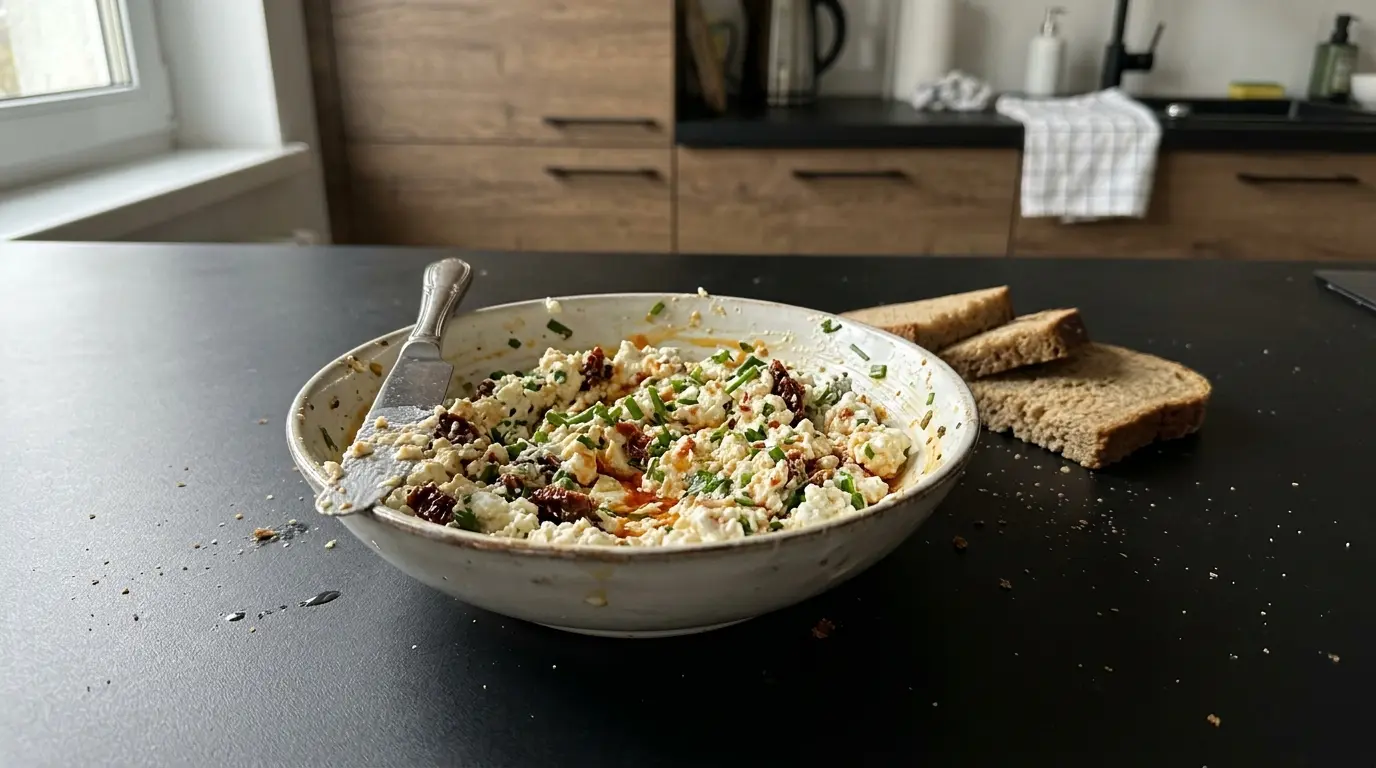
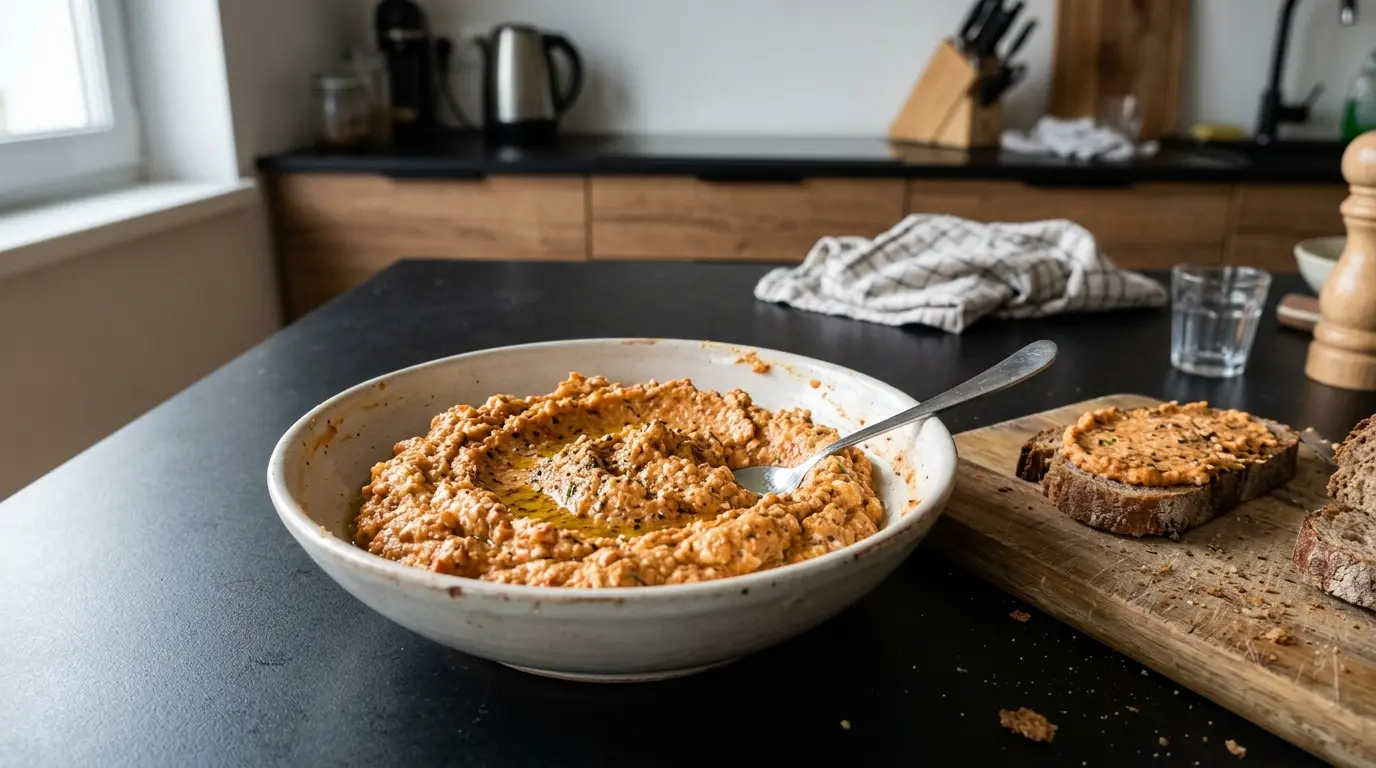
Roasted red pepper and curd spread is a colourful sandwich topping that combines creamy Polish curd cheese with lightly sweet, roasted peppers. It’s a Polish take on Mediterranean-style vegetable spreads, but with familiar curd as the star ingredient.
To domowa wariacja na temat śródziemnomorskich past warzywnych, ale z bardzo polskim twarogiem jako bazą. Dobrze wpisuje się w tradycję past kanapkowych znanych z polskich śniadań i kolacji.
This spread combines traditional Polish curd cheese with roasted peppers, giving you a light, colourful alternative to meat-based sandwich toppings while still using familiar local ingredients.
Dlaczego ta wersja działa
- Papryka jest mocno wypieczona, więc daje naturalną słodycz i miękkość bez dodatku cukru.
- Twaróg jest tylko częściowo zblendowany, dzięki czemu pasta nie spływa z pieczywa.
- Jogurt i cytryna odświeżają smak, więc pasta jest lżejsza niż typowe serowe smarowidła.
Chef's tips
For the best texture, don’t over-roast the peppers – you want them soft and sweet, but not completely collapsed. If the spread seems too thick, loosen it with an extra spoonful of yogurt or a drizzle of oil.
How to serve
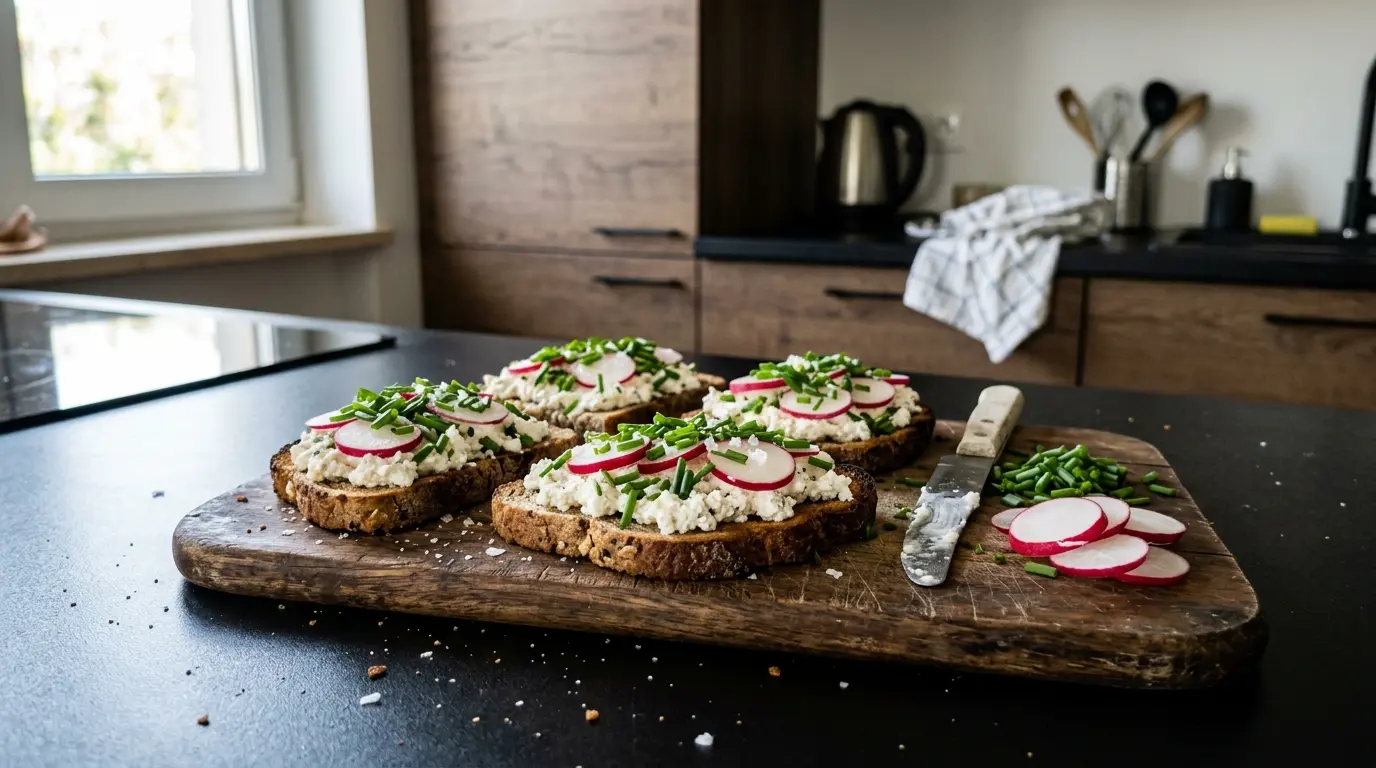
Serve on rye bread or crusty rolls, topped with slices of fresh cucumber or radish. It also pairs nicely with boiled eggs on an open-faced sandwich.
Na co uważać
- Zbyt blada papryka będzie twarda i wodnista, a pasta mniej słodka i aromatyczna.
- Nie dodawaj całego soku z pieczenia od razu – nadmiar rozrzedzi pastę do konsystencji sosu.
- Zbyt długie miksowanie zrobi rzadki, jednolity mus bez przyjemnej struktury twarogu.
Zamienniki
- Część twarogu możesz zastąpić serkiem śmietankowym, pasta będzie bardziej jedwabista.
- Jogurt naturalny podmień na kwaśną śmietanę 12–18% dla bogatszego smaku.
- Zamiast szczypiorku użyj natki pietruszki lub kolendry dla mocniejszego ziołowego akcentu.
- Olej rzepakowy możesz zastąpić delikatną oliwą z oliwek z pierwszego tłoczenia.
Ingredients
- red bell pepper large - 2 piece
- semi-fat curd cheese - 200 g
- yogurt - 2 tablespoons
- oil - 1 tablespoon
- garlic - 1 clove
- lemon juice or to taste - 1 tablespoon
- chives or parsley chopped - 2 tablespoons
- salt to taste
- black pepper to taste
Preparation
- Preheat the oven to 220°C (top and bottom heat). Wash and dry the peppers, then place them whole on a baking tray lined with baking paper.
- Roast the peppers for 20–25 minutes, turning them every few minutes, until the skin is well browned and darkened in spots.
- Transfer the roasted peppers to a bowl and cover with a plate or foil for about 10 minutes – this will make the skins easier to remove.
- Once cooled, peel off the skins, remove the cores and stems. Cut the flesh into smaller pieces.
- Crumble the curd cheese with a fork in a bowl. Add the yogurt and oil, and mash together until you get a fairly smooth mixture.
- Peel the garlic and chop it very finely or press it through a garlic press. Add to the curd.
- Add the pieces of roasted pepper, lemon juice, chopped chives or parsley, salt and pepper.
- Blend everything with a hand blender until smooth, or only partially if you prefer noticeable pieces of pepper. Taste and adjust the seasoning with more salt, pepper or lemon juice if needed.
- Chill the spread in the fridge for at least 30 minutes to let the flavours meld.
Storage
W lodówce pasta lekko gęstnieje i może oddzielić się odrobina soku z papryki – przed podaniem po prostu ją zamieszaj. Najlepsza jest w ciągu 2–3 dni, później czosnek staje się ostrzejszy, a cytryna mniej wyczuwalna.
I like to roast a larger batch of peppers at once and use some for this spread and some for salads or pasta – it makes weekday breakfasts and dinners much quicker.