Risotto with lemon and parmesan Recipe
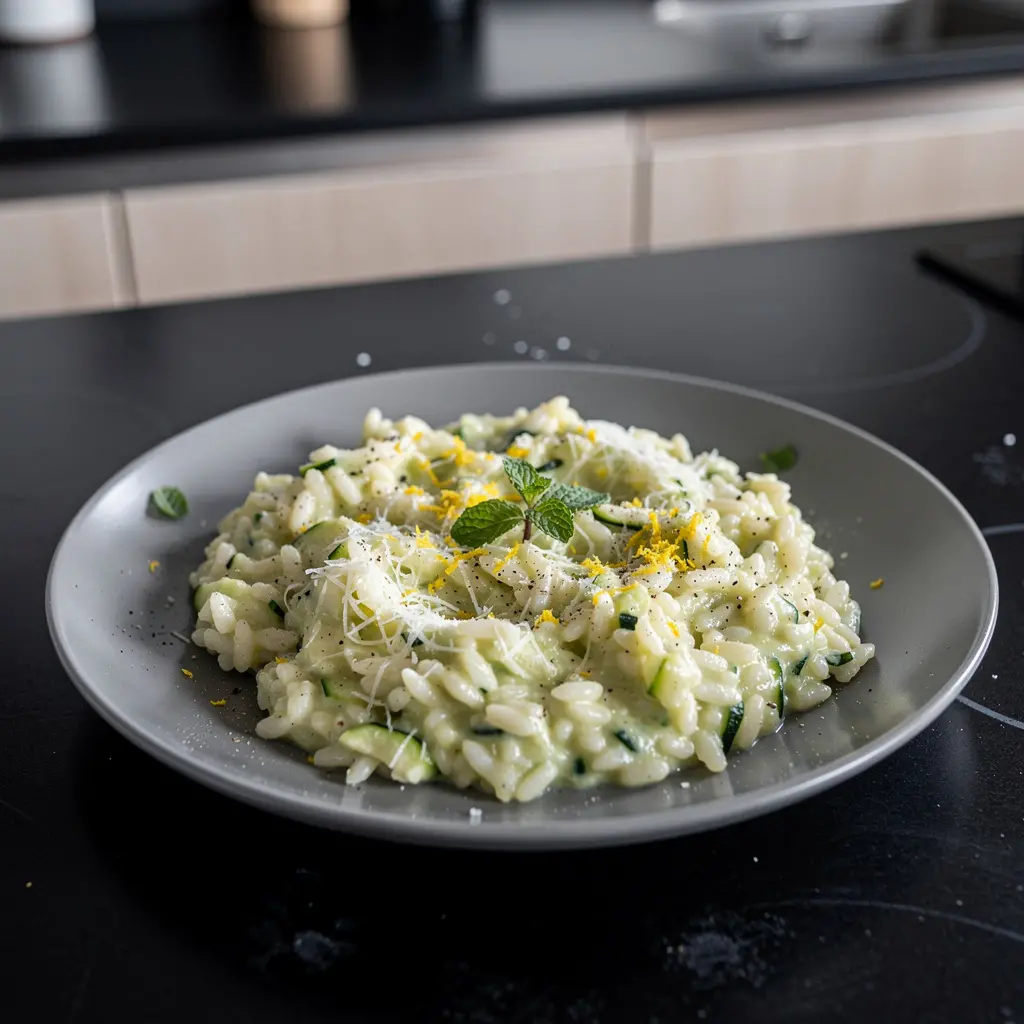
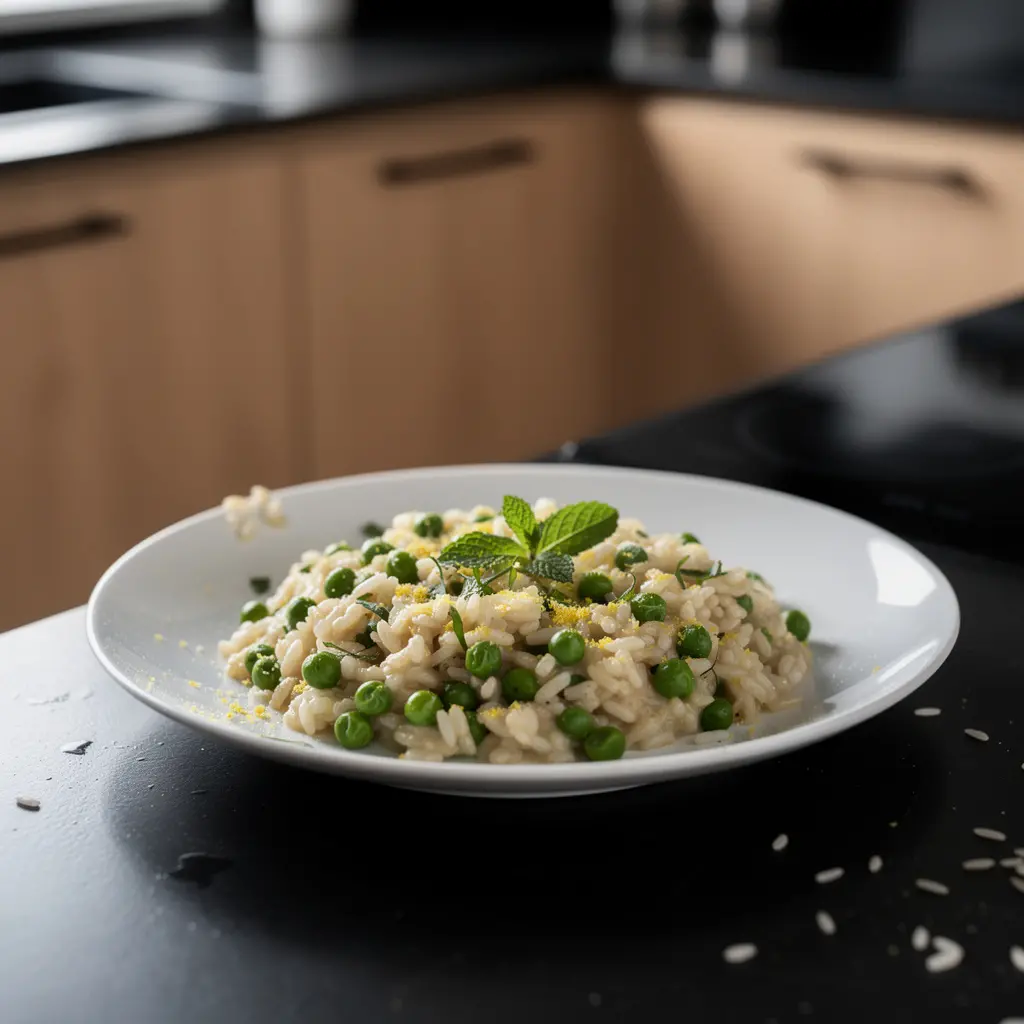
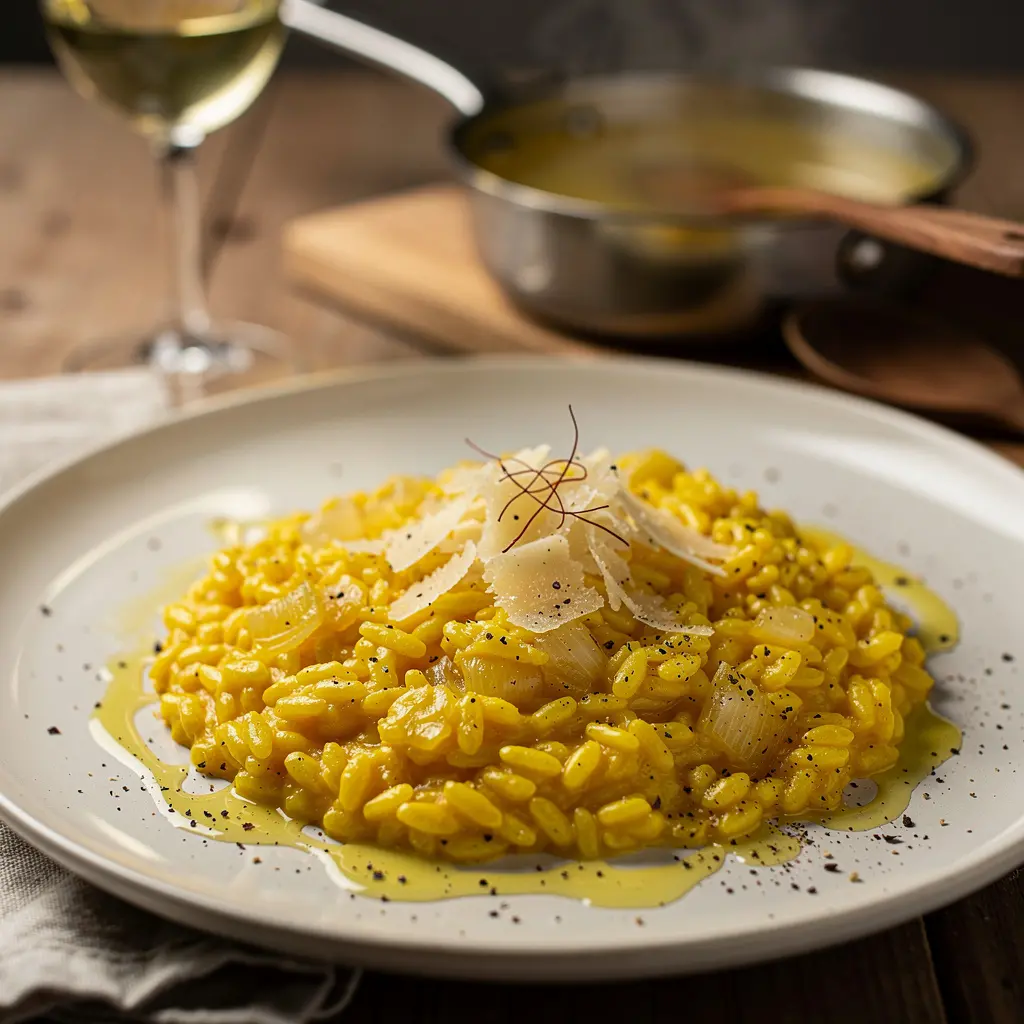
This bright, creamy risotto with lemon and parmesan is light, fresh and fragrant – perfect for a spring lunch or dinner with a glass of white wine. Italians treat such risotto as a first course before the main, but at home it can easily be the star of the whole meal.
In Italian homes, risotto is served immediately after cooking as a primo (first course), and its all’onda – “wavy” – consistency is more important than perfectly uniform grains.
Risotto with lemon and parmesan combines a creamy, comforting texture with a very fresh, citrusy aroma, so it’s not as heavy as many cheesy dishes. The gentle acidity of the lemon enhances the flavour of the parmesan and stock, making each bite both buttery and refreshing. This dish perfectly illustrates the Italian philosophy: few ingredients, but maximum flavour and texture.
Why this version works
- Using arborio or carnaroli rice guarantees plenty of starch and a creamy texture without flour.
- Adding stock in small batches lets you control both the al dente point and the thickness.
- The lemon goes into the risotto only at the end, so it keeps a fresh, bright aroma.
- Emulsifying the butter, parmesan and cream off the heat gives a silky, stable sauce.

Chef's tips
Add the stock in batches, one ladle at a time, waiting until the rice has almost absorbed the liquid before adding the next portion – this way the grains release their starch and the risotto becomes creamy without needing extra cream. The rice should be al dente: soft on the outside but with a slight bite in the centre; this usually takes 17–20 minutes from the first addition of stock. Grate the lemon zest just before adding it and don’t overdo the juice – add it gradually, tasting as you go so you don’t overpower the parmesan.
How to serve
Serve immediately after mixing in the butter and parmesan, while the risotto is still slightly fluid and slowly spreads on the plate. It goes very well with a glass of dry white wine, such as Pinot Grigio or Soave, and with simple sides like grilled asparagus or green salad with vinaigrette. It’s an excellent dish for a cosy dinner for two – it has a “restaurant” feel yet doesn’t require long hours in the kitchen.
Watch out for
- If the stock boils too vigorously, it will evaporate too fast and the rice can catch and burn on the bottom.
- A pan that’s too small will make the risotto cook in a deep layer and soften unevenly.
- Don’t leave the risotto without stirring for more than 1–2 minutes, because it easily sticks to the bottom.
- Taste the rice several times towards the end of cooking – once you take it off the heat, it will soften quickly and can overcook.
Substitutions
- You can replace arborio rice with carnaroli, which holds its shape better and is harder to overcook.
- You can skip the white wine, replacing it with extra stock and an additional tablespoon of lemon juice.
- You can swap the parsley for fresh thyme or basil for a different herbal aroma.
- Replace part of the butter with good-quality olive oil if you want a lighter, less buttery version.
Ingredients
- risotto rice (arborio or carnaroli) - 300 g
- vegetable or chicken stock - 1 l
- onion - 1 piece
- butter - 50 g
- olive oil - 1 tablespoon
- dry white wine - 100 ml
- parmesan, grated - 60 g
- unwaxed lemon - 1 piece
- double cream 30% or 36% - 40 ml
- salt
- freshly ground pepper
- flat-leaf parsley - 2 tablespoons
Preparation
- Heat the stock in a small pot and keep it over very low heat so it stays hot but doesn’t boil. When you dip in a spoon, you should see only gentle bubbles.
- Peel the onion and chop it very finely. Wash the lemon thoroughly, dry it, grate only the yellow part of the zest and squeeze out the juice, watching out for seeds. Finely grate the parmesan so it melts easily.
- In a wide pot, heat the olive oil with half the butter over medium heat. Add the onion and sauté for 3–4 minutes, stirring, until it softens and turns translucent but is still pale – if it starts to brown, lower the heat.
- Add the rice and cook for 1–2 minutes, stirring, until every grain is coated in fat and slightly glassy around the edges while remaining chalky white in the centre. It should make a gentle crackling sound but must not darken.
- Pour in the white wine and cook for 2–3 minutes, stirring, until it almost completely evaporates. After a moment, the sharp alcoholic smell should disappear, leaving only a delicate wine aroma.
- Add the first ladle of hot stock, just enough to barely cover the rice. Cook over medium heat, stirring frequently. When distinct tracks from the spoon start appearing on the bottom, add another portion of stock.
- Continue adding stock in small amounts and stirring for 18–20 minutes. The rice should be soft but still slightly firm in the centre, and the whole dish should resemble a thick, flowing cream that slowly runs off the spoon.
- When the rice is almost done, add the lemon zest and 1–2 tablespoons of juice. Stir and taste – the flavour should be clearly citrusy but still buttery and cheesy; if needed, add a little more juice.
- Take the pot off the heat. Add the remaining butter, parmesan and the cream, if using. Stir vigorously for about 1 minute, until the risotto is very creamy, glossy and starts to become slightly stretchy.
- Season with salt and pepper, cover for 2 minutes so the rice can rest and even out its moisture. Serve immediately, when the risotto spreads in a soft wave on the plate, sprinkled with parsley and extra parmesan.
Storage
Store leftover risotto in an airtight container in the fridge for up to 1–2 days. Reheat gently in a pan with a splash of stock or water, stirring until creamy again. You can also shape cold risotto into small patties and pan-fry them the next day for a quick, crispy snack.
I most often cook this lemon risotto when we have a “bare fridge” but there’s a piece of parmesan and a lemon – it’s my rescue from ordering pizza midweek. I always make a little extra, because the next day I love to eat the leftovers quickly pan-fried.