Apple pie on shortcrust pastry with lattice top Recipe
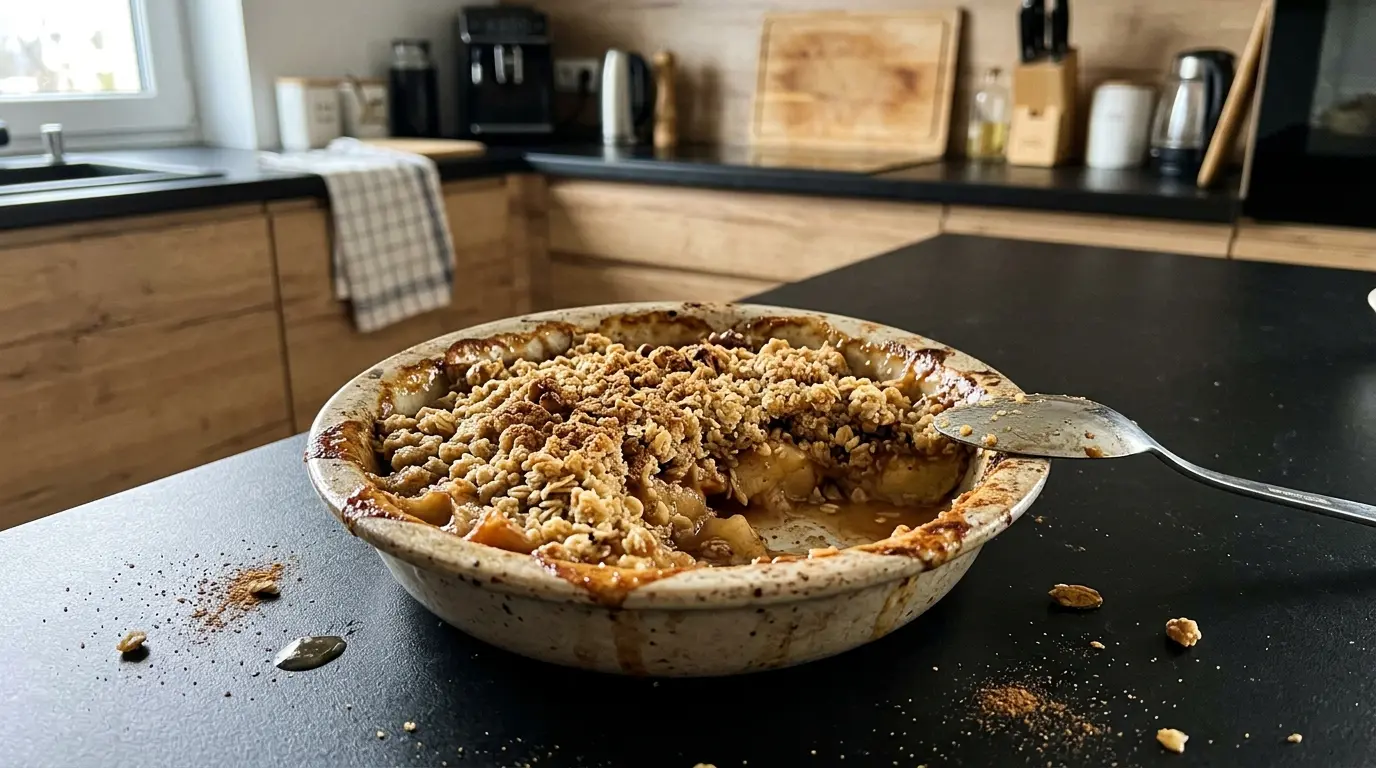
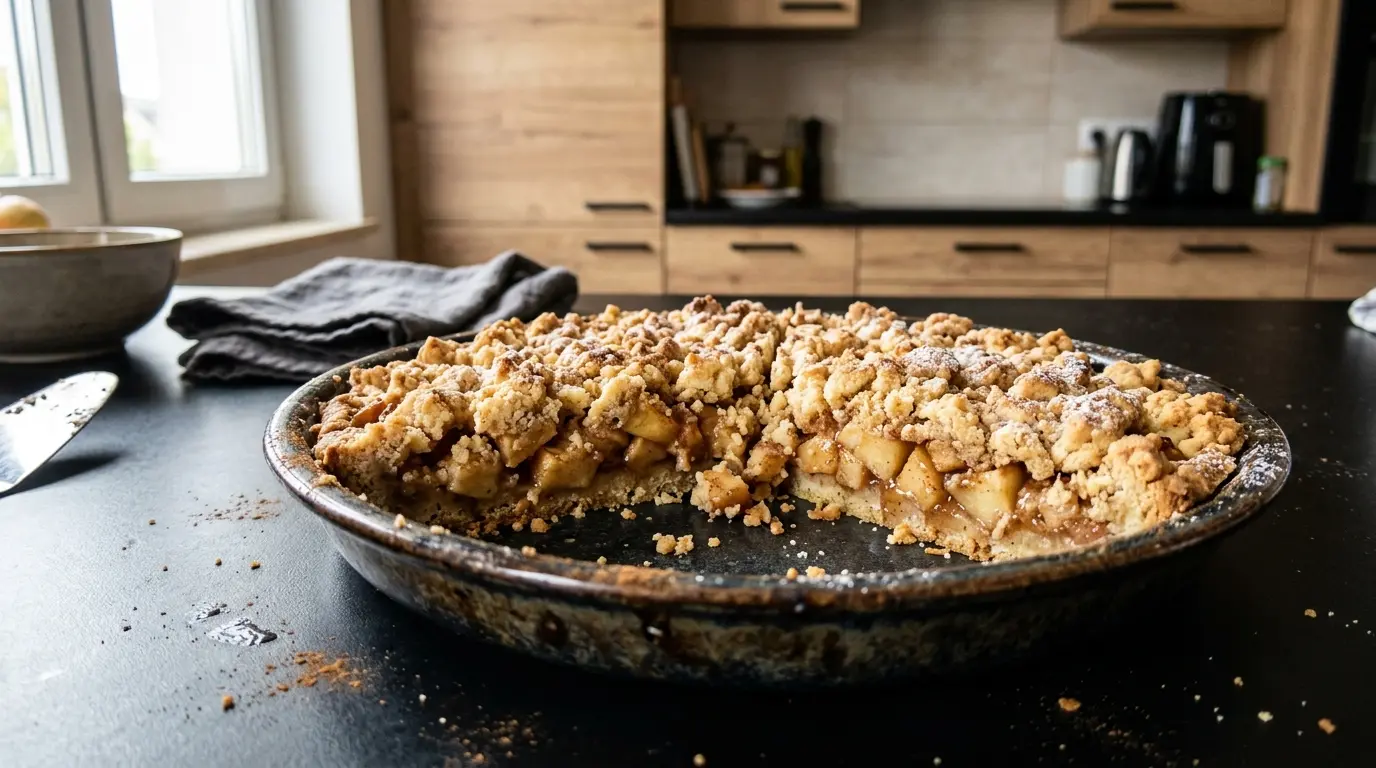
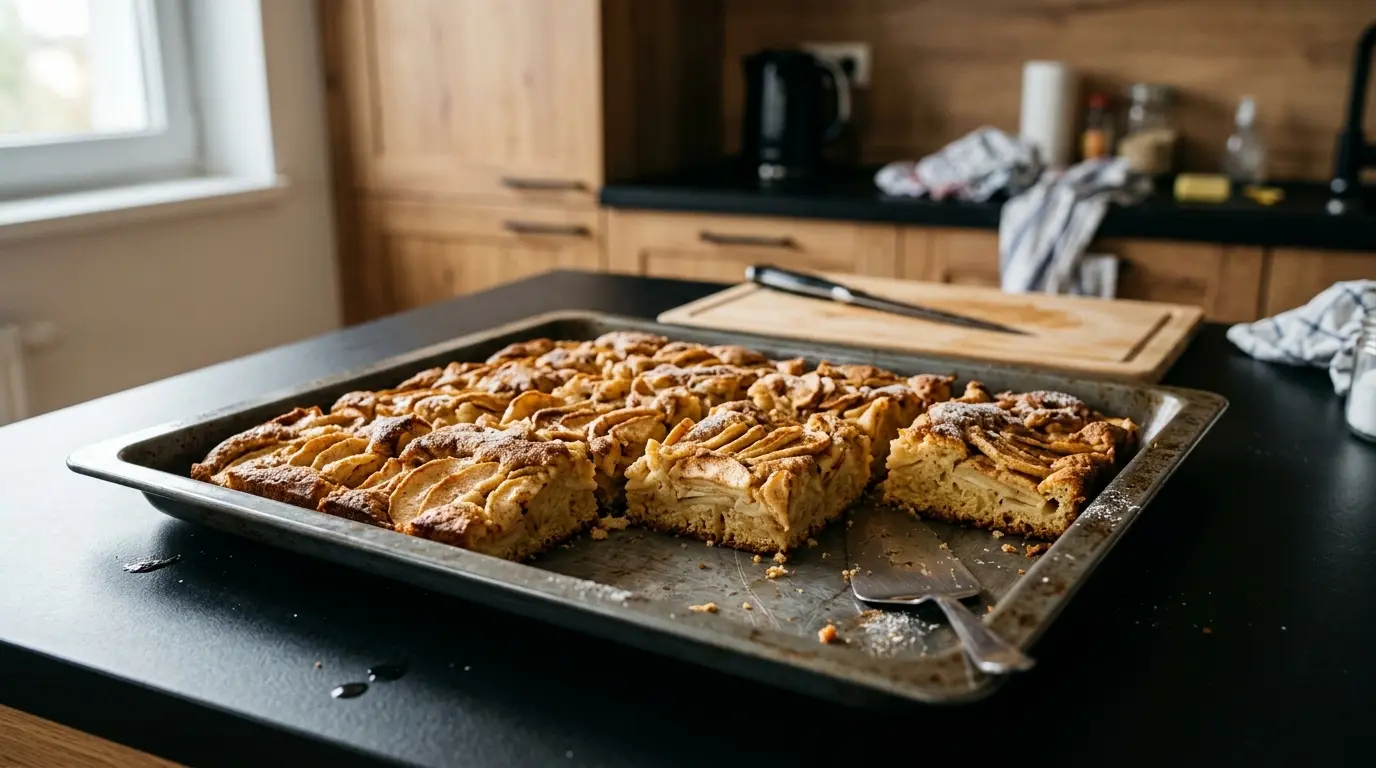
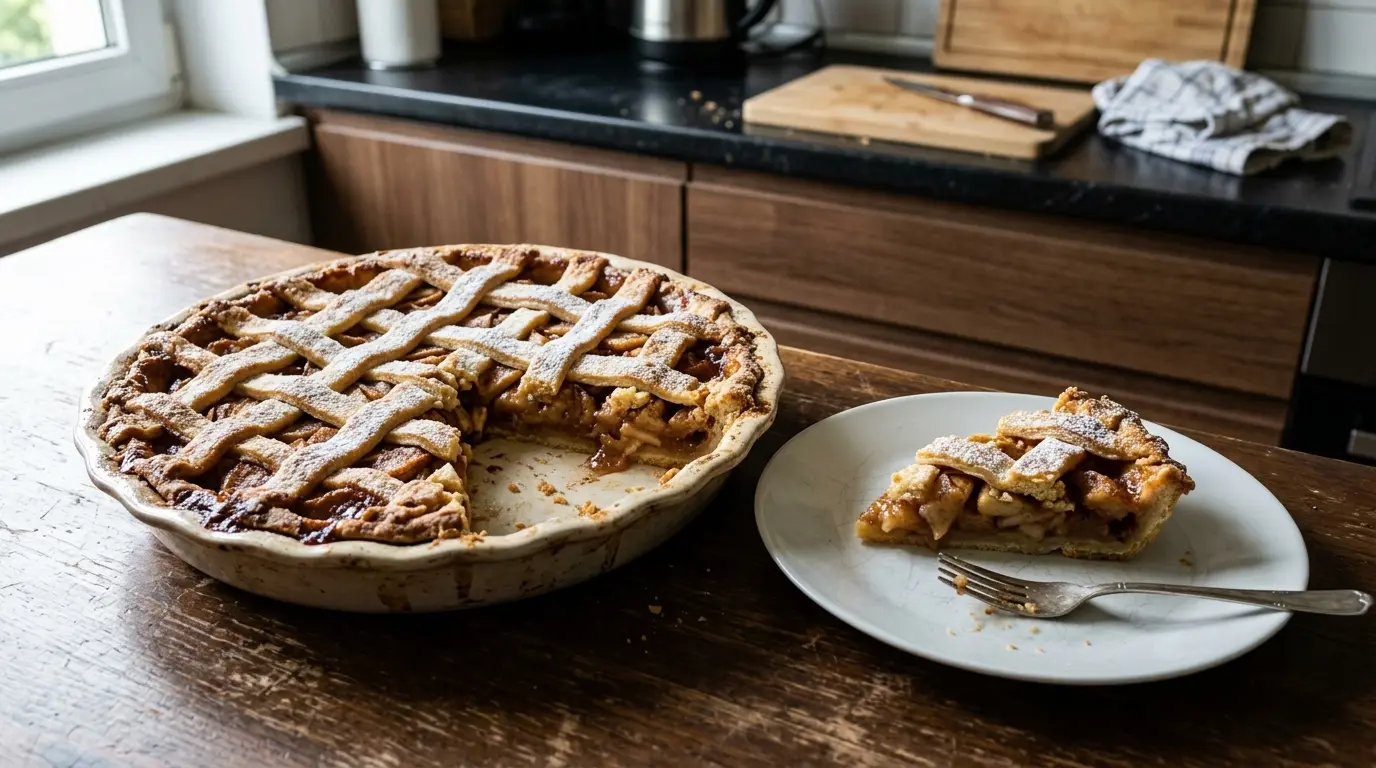
Apple pie on shortcrust pastry with a lattice top is a homemade tray bake with a thick layer of sautéed apples on a buttery base, typical for Polish autumn and winter family lunches. The apples are soft and cinnamon‑scented but still have discernible pieces, and the well‑chilled shortcrust bakes into a delicate, non‑soggy bottom.
A lattice‑topped apple pie is a common dessert after Sunday lunch in Poland, especially during the season for apples from garden plots and orchards., The classic pattern made from strips of dough has been appearing on tables since the 1980s and 1990s because it’s easy to make without any special equipment.
This version focuses on a thick, distinctly cinnamon‑scented apple layer which, after sautéing, stays juicy but doesn’t turn into a uniform purée., Chilling and pricking the base means the apple pie cuts cleanly even into thin slices, which is important for larger gatherings., The lattice not only gives a homely look but also helps excess moisture evaporate.
Why this version works
- Sautéing the apples evaporates excess juice so the base stays crisp instead of soggy.
- Well‑chilled shortcrust holds its shape better, bakes evenly and doesn’t shrink excessively in the oven.
- A thin layer of breadcrumbs acts like a sponge for the apple juices without adding a noticeable flavour to the finished cake.
Chef's tips
Shortcrust is best made quickly with cool hands – if your hands are warm, use a knife or pastry cutter, otherwise the butter will melt too much and the base will be tough., After sautéing the apples, wait until they are at least lukewarm; when you touch them with a finger you shouldn’t feel heat., If you’re using very sweet apples, replace part of the sugar with lemon juice so the filling isn’t cloying.
How to serve
It tastes best slightly warmed, with a scoop of vanilla or cream ice cream – the contrast of warm cake and cold ice cream is especially good after an autumn walk., For family gatherings serve it with whipped cream and tea with lemon or dried‑fruit compote, and for a more elegant version with a glass of dry cider.
Watch out for
- Don’t spread hot apples on the base – they will melt the butter in the dough and the bottom can turn out stodgy.
- Strips for the lattice that are too thick will need longer baking than the base and may stay pale inside.
- If the dough warms up a lot while rolling, put it back in the fridge for 10 minutes.
Substitutions
- You can replace part of the sugar in the apples with honey, adding it after sautéing so it keeps its aroma.
- You can swap the breadcrumbs for finely ground sponge biscuits or ground nuts, which will also absorb the juices.
Ingredients
- wheat flour - 400 g
- butter - 250 g
- powdered sugar - 100 g
- egg - 1 piece
- egg yolk - 1 piece
- baking powder - 5 g
- salt - 1 pinch
- apples - 1.2 kg
- sugar - 80 g
- cinnamon - 5 g
- breadcrumbs - 20 g
- powdered sugar - 15 g
Preparation
- Put the flour, powdered sugar, baking powder and salt into a bowl and mix. Add cold butter cut into cubes and rub it in with your fingers or cut in with a knife until you get fine crumbs with no visible chunks of butter.
- Add the egg and egg yolk and quickly knead just until the ingredients come together into a smooth ball. When the dough starts to warm up and turn sticky, stop kneading. Divide into two parts (the larger one for the base), wrap in cling film and chill for at least 30–40 minutes, until noticeably firm.
- Meanwhile, prepare the apples: peel them, remove the cores and slice thinly or grate on the coarse side of a grater. Use slightly tart, firm apples so they don’t turn into a complete purée after baking.
- Place the apples in a large frying pan or pot, add the sugar and cinnamon. Cook for 8–10 minutes over medium heat, stirring, until they soften, release their juices and some of the liquid evaporates; the mixture should be juicy but already slightly thickened. Set aside to cool completely.
- Line a 25×35 cm pan with baking paper. Roll out the larger portion of chilled dough into a rectangle or press it evenly into the bottom of the pan with your fingers to a thickness of about 4–5 mm. Prick the base all over with a fork so it stays flat while baking.
- Sprinkle the base evenly with a thin layer of breadcrumbs so they can absorb the apple juices. Spread the cooled apples on top, level the surface with a spoon and press down lightly so there are no gaps and the layer is compact.
- Roll out the second portion of dough to about 4 mm thick and cut into strips 1.5–2 cm wide. Arrange the strips over the apples in a lattice pattern, crossing them and gently pressing the ends to the edges so they don’t lift during baking.
- Place the cake in an oven preheated to 180°C (top and bottom heat) and bake for 40–45 minutes. When the apple pie is ready, the lattice and edges will be golden and the kitchen will smell intensely of baked apples and butter.
- Remove the baked apple pie from the oven and leave it in the pan until completely cooled – when warm it falls apart easily. Once cooled, the apple layer will set and the slices will cut cleanly.
- Just before serving, dust the top with powdered sugar through a sieve, ideally right before bringing it to the table so the sugar doesn’t have time to dissolve from the steam of the apples and keeps its snowy‑white look.
Storage
Store the apple pie in the fridge in an airtight container for up to 3–4 days – over time the apples soften and the base loses its crunch, becoming more buttery., Reheat for 5–8 minutes at 160°C until the lattice is lightly crisp again and the filling just gently warm.
When I’m expecting guests on Sunday, I make the shortcrust already on Friday and freeze it in two portions, then on Saturday I only prepare the apples – on Sunday the apple pie comes together in no time.