Korean Braised Potatoes with Carrots in Soy Sauce Recipe
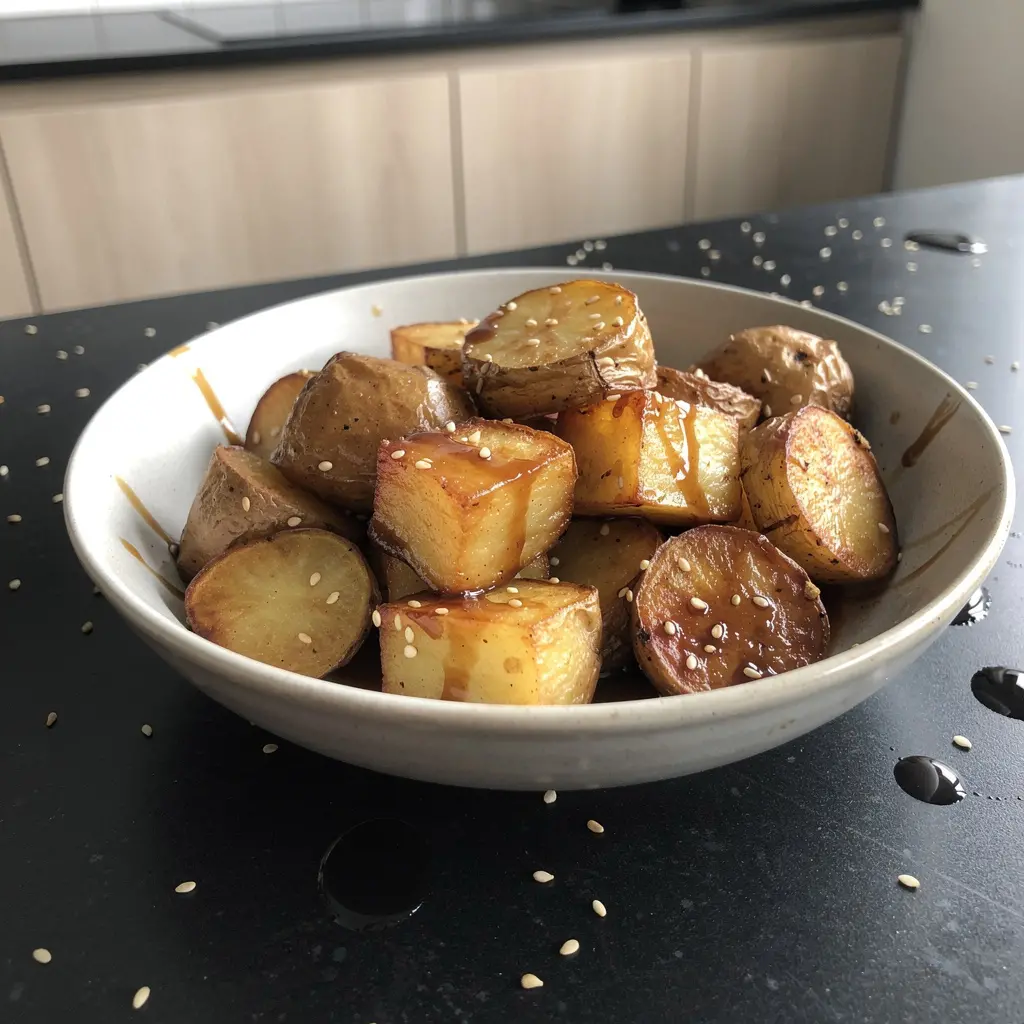
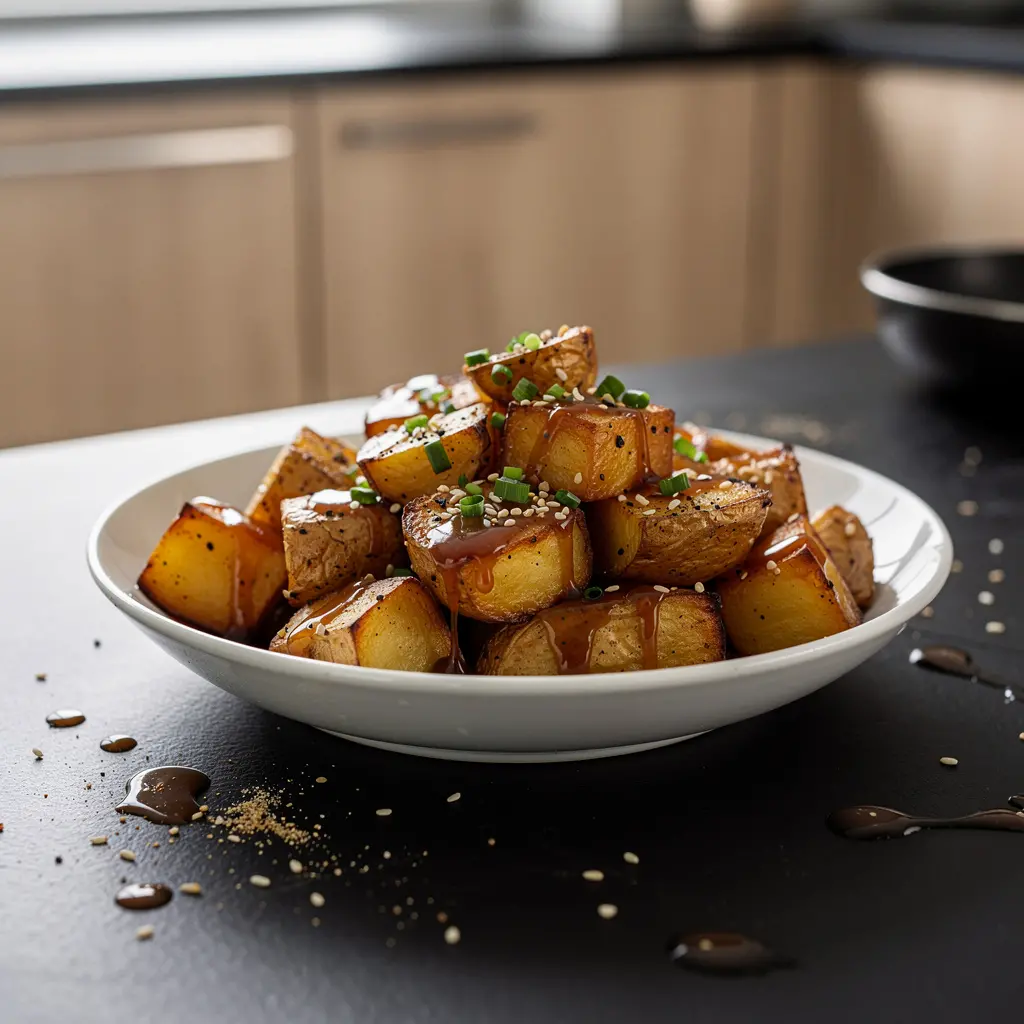
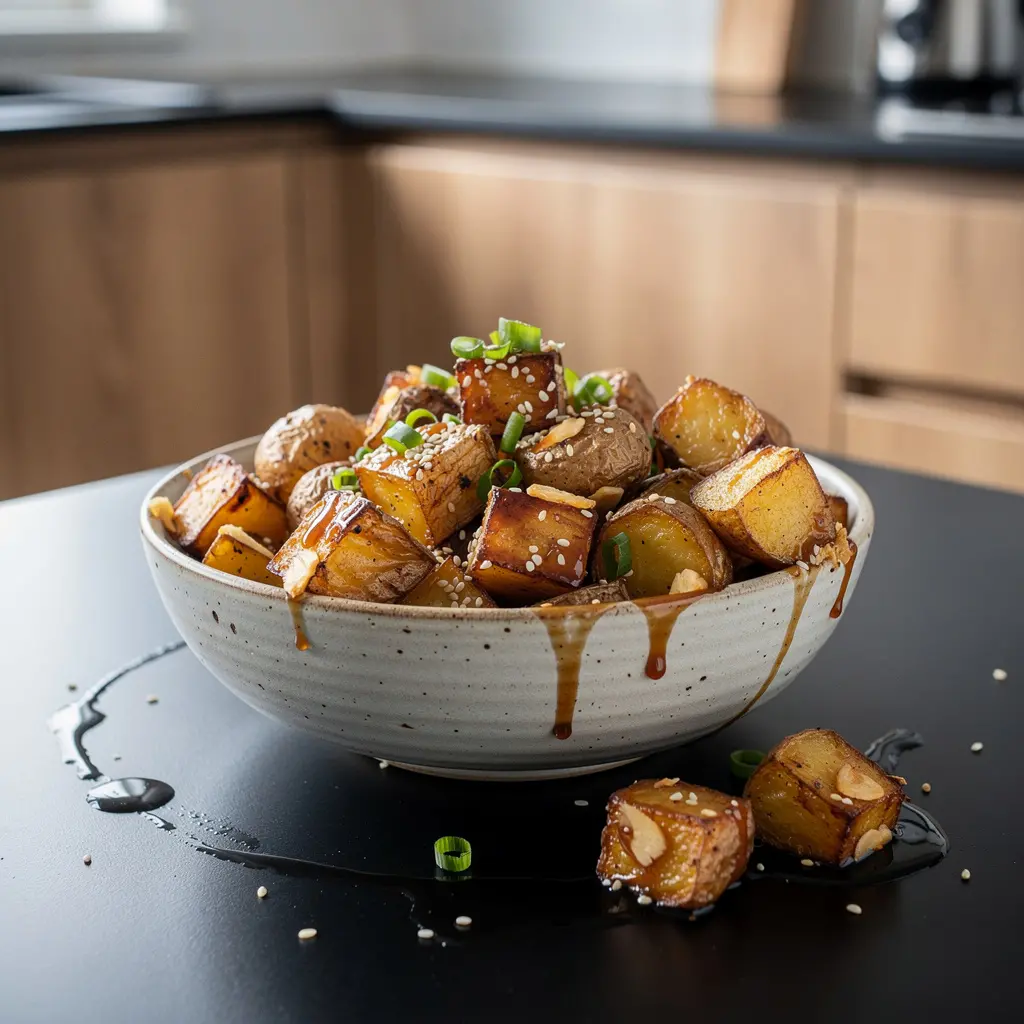
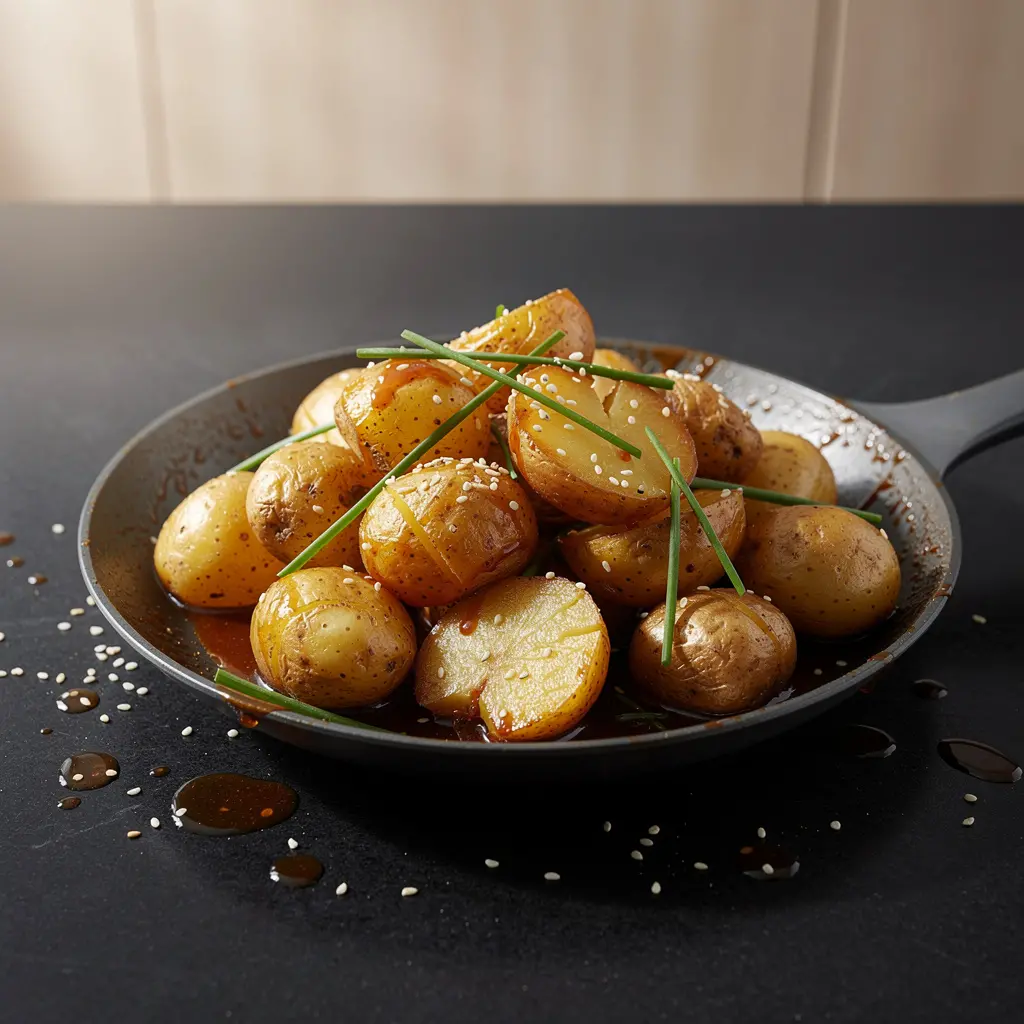
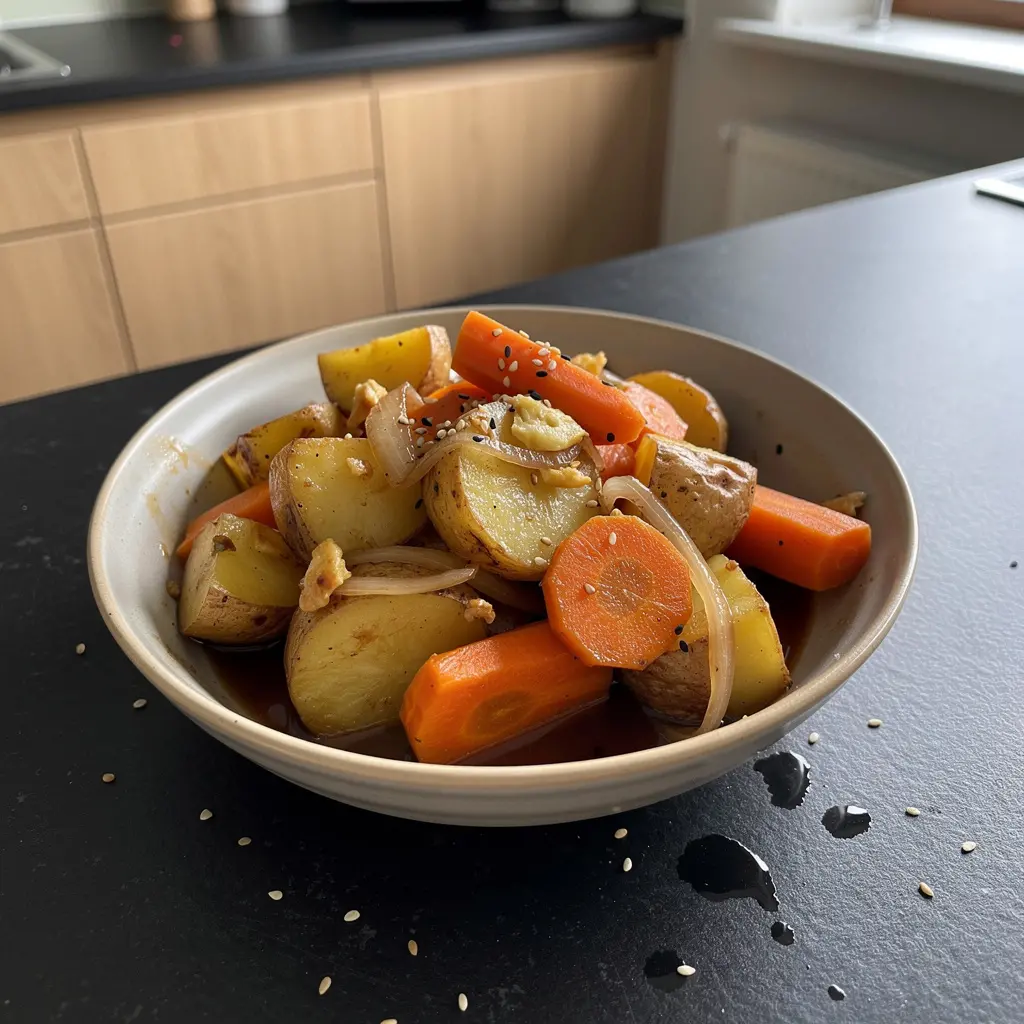
This simple dish of potatoes and carrots braised in a salty-sweet soy sauce is reminiscent of Korean home-style side dishes served with rice. In Korea, warm vegetables like these often sit on the table next to the main dish and you can scoop them up with a spoon like a small appetizer. The flavor is gently caramelized, with a clear aroma of soy sauce and sesame.
This dish brings the comforting feel of Korean home cooking to your table with just a few everyday ingredients. The potatoes and carrots soak up a salty-sweet soy glaze that becomes slightly caramelized, and the sesame adds a nutty aroma. It works both as a simple side and as a light main with rice.
Chef's tips
Cut the potatoes into even pieces so they cook at the same speed and don’t fall apart. Use a pan or pot with a thick bottom – the sauce contains sugar and can burn easily on thin cookware. If the potatoes are still firm and the liquid has almost evaporated, add a splash of water and braise a few minutes longer. Taste the soy sauce first: if it’s very salty, reduce its amount slightly or add a bit more water.
How to serve
Serve in small bowls as a banchan-style side dish with steamed rice, fried eggs or pan-fried meat. It also pairs well with grilled tofu or baked salmon. Sprinkle with extra sesame seeds and sliced spring onion just before serving for more color and freshness.
Ingredients
- potatoes - 500 g
- carrot - 2 piece
- onion - 1 piece
- oil - 2 tablespoon
- soy sauce - 3 tablespoon
- water - 200 ml
- brown sugar - 1.5 tablespoon
- garlic - 1 clove
- sesame oil - 1 teaspoon
- sesame seeds - 1 tablespoon
- pepper - 0.25 teaspoon
Preparation
- Peel the potatoes and cut them into cubes of about 2 cm. Peel the carrot and cut it into thicker half-slices. Peel the onion and slice it into thin wedges.
- In a wide pan or a pot with a thick bottom, heat the vegetable oil over medium heat. Add the onion and fry for 3–4 minutes, stirring, until it softens and becomes slightly translucent.
- Add the potatoes and carrot. Fry for 5 minutes, stirring from time to time, until the vegetables are lightly browned on the edges.
- Peel the garlic, finely chop it and add it to the pan. Fry for about 1 more minute, until fragrant.
- In a small bowl, mix the soy sauce, water and brown sugar until the sugar dissolves. Pour the mixture into the pan and toss with the vegetables.
- Reduce the heat to low, cover the pan with a lid and braise for 15–20 minutes, until the potatoes are soft inside. Gently stir every few minutes so nothing sticks to the bottom.
- When the sauce thickens and starts to lightly coat the vegetables, remove the lid and cook for another 2–3 minutes to let the excess liquid evaporate.
- Finally, drizzle the dish with sesame oil, season with pepper and sprinkle with toasted sesame seeds (toast them first for 1–2 minutes in a dry pan). Serve warm.
Storage
No storage information available for this dish.
This is my shortcut version of Korean braised potatoes, inspired by classic gamja jorim but simplified for everyday cooking. I like to make a bigger batch and keep it in the fridge as a ready side dish for quick rice bowls – it tastes even better the next day when the flavors meld.