Chicken and Ginger Rice Congee Recipe
Congee is a Chinese rice porridge – something between a soup and a very loose risotto. In China it’s often eaten for breakfast or when someone has a cold, because it’s easy to digest and soothing. The version with chicken and ginger is delicate, warming and a bit reminiscent of chicken broth, just in the form of a thick porridge.
Congee is one of the most home-style dishes in China, served from breakfast to hospital meals as something easy on the stomach. In many regions the rice base is cooked in a similar way, and the main differences come from the toppings and side additions served in the bowl at the table.
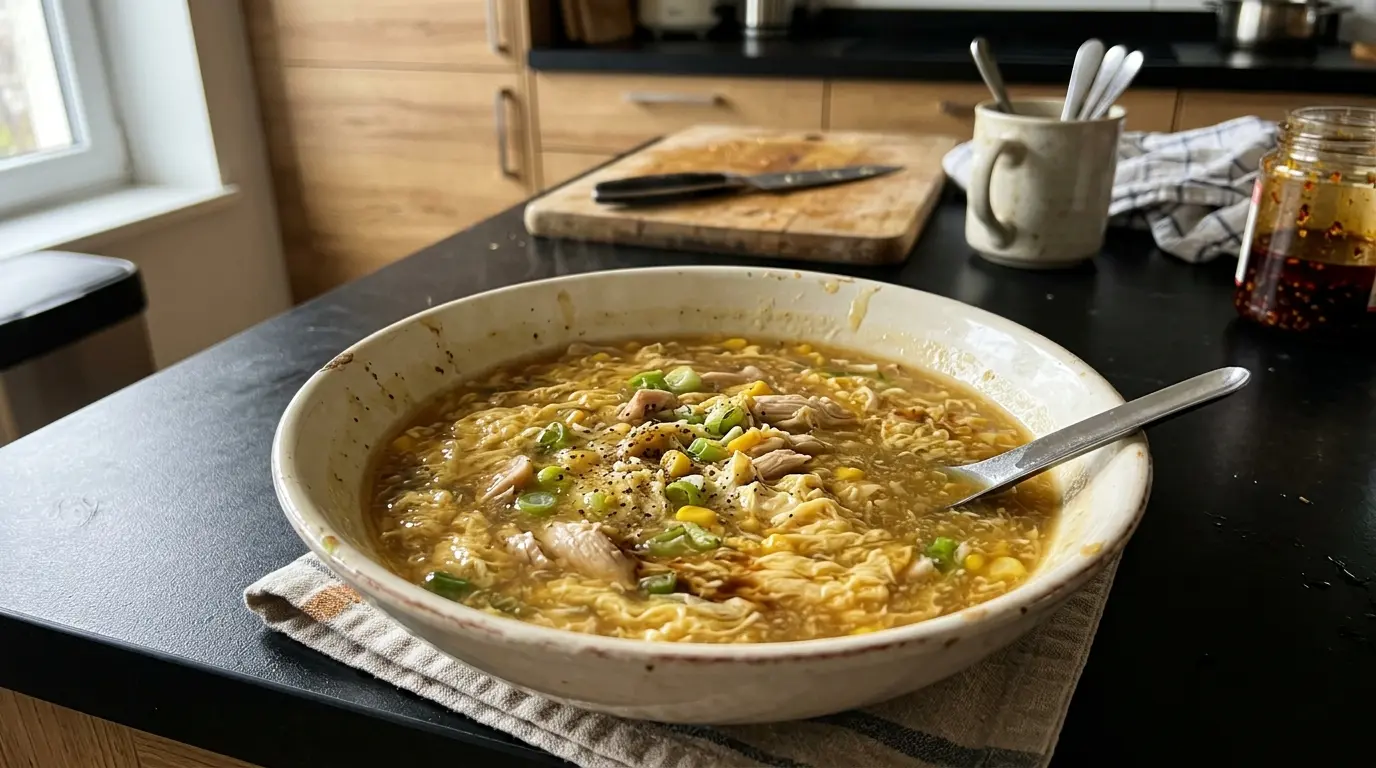
Chicken and ginger rice congee is Chinese comfort food in its purest form – something between chicken broth, porridge and a delicate soup. Long cooking makes the rice grains almost disintegrate, creating a creamy, soothing base where ginger and chicken give a warming yet gentle flavour. In China, congee appears both on breakfast tables and when someone is recovering after an illness.
Why this version works
- Chicken thighs with bone and skin naturally give a rich, brothy flavor without needing many spices.
- A high amount of liquid compared to rice lets the grains completely break down and turn into a creamy porridge.
- Taking the meat out halfway through and adding it back at the end keeps the chicken juicy.
- Seasoning gradually at the end reduces the risk of oversalting as the congee thickens.
Chef's tips
Cook the rice very slowly over low heat, stirring regularly, especially towards the end, so it doesn’t stick to the bottom – good congee takes time, you can’t really “speed it up”. Cook the chicken leg whole on the bone, because the bone and skin give the most flavour; remove the meat when it’s tender, shred it and add it back. Slice the ginger rather into thin slices or crush it so it releases its aroma but is easy to remove if someone doesn’t like biting into pieces.
How to serve
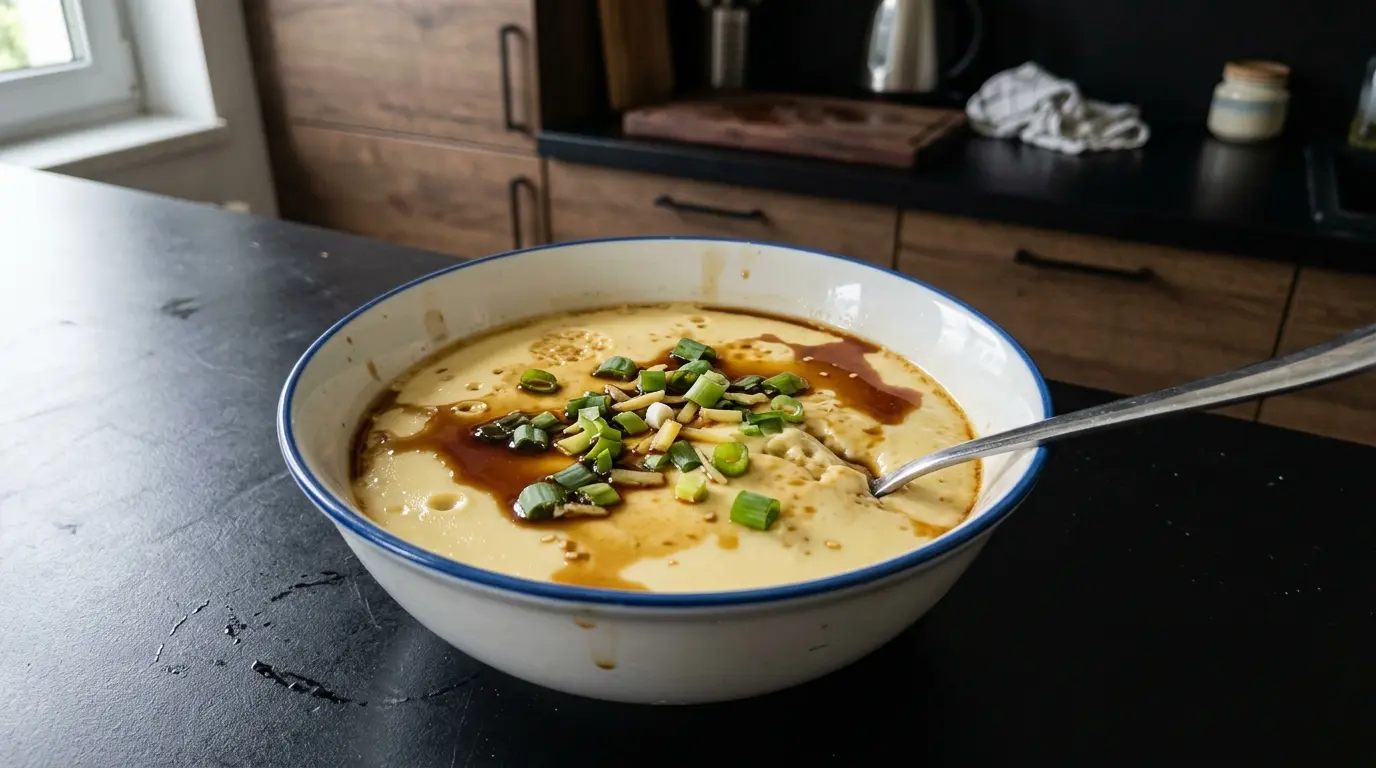
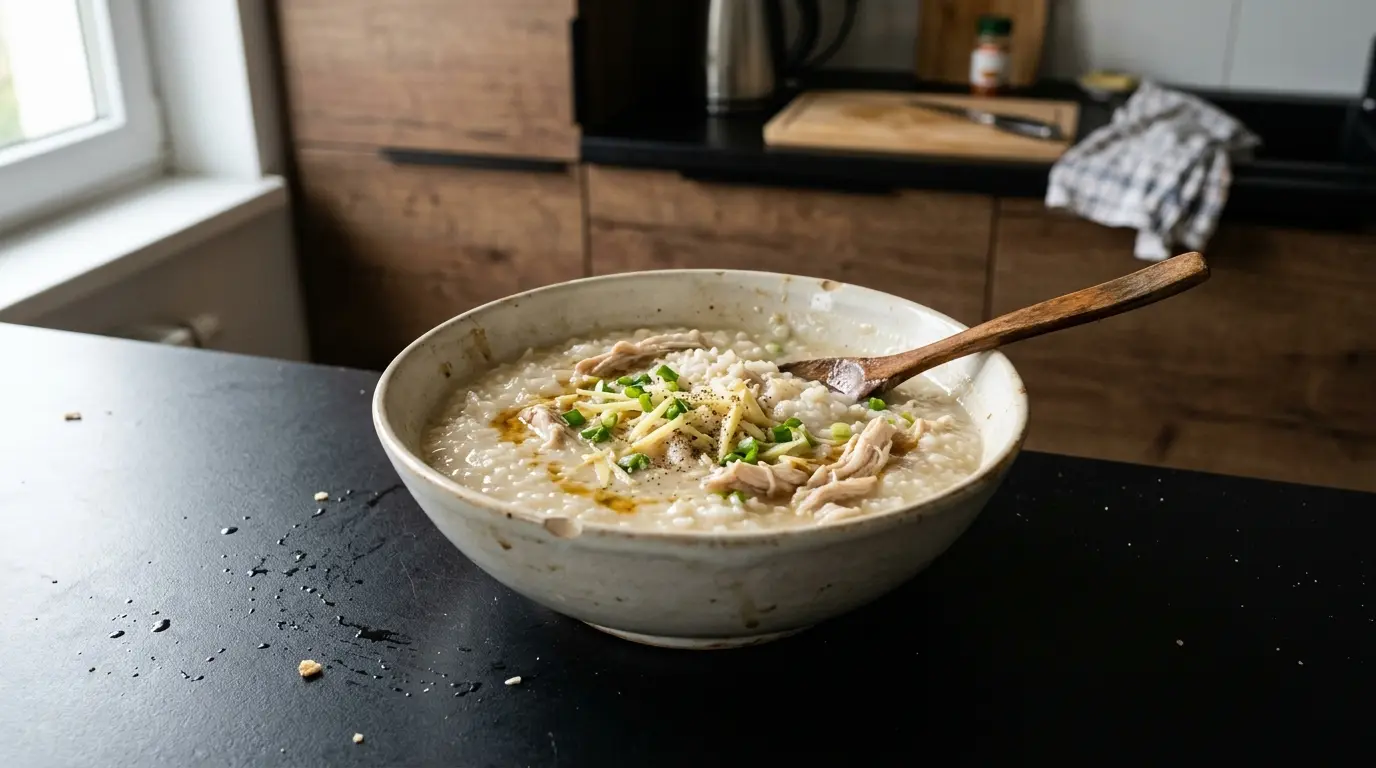
Serve very hot with toppings of your choice: chopped spring onion, a splash of soy sauce, a few drops of sesame oil or a soft-boiled egg. It’s a great breakfast for chilly mornings or a dinner after a winter walk when you’re craving something simple and warming. It tastes great with a mug of hot green tea or ginger and lemon infusion.
Watch out for
- Heat that’s too high will quickly scorch the starch on the bottom – keep it at a gentle simmer and scrape the bottom frequently.
- Don’t reduce the amount of liquid to shorten the cooking time – you’ll end up with overcooked rice in a bit of broth, not a pourable porridge.
- When adding salt and soy sauce, remember that congee thickens after you take it off the heat and the flavor becomes more concentrated.
- Use a pot with high sides, because thick congee creates “spitting” bubbles and can easily boil over.
Substitutions
- Instead of thighs you can use a chicken carcass or wings, then pick the meat off the bones after cooking.
- You can replace jasmine rice with regular long‑grain white rice, extending the cooking time by a few minutes.
- If you don’t have sesame oil, simply skip it and add more scallions or toasted sesame seeds.
Ingredients
- rice unrinsed or lightly rinsed - 200 g
- chicken leg with bone and skin - 2 piece
- water or chicken stock - 1.8 l
- fresh ginger cut into thin slices - 20 g
- salt to taste
- soy sauce for seasoning, optional - 1 tablespoon
- chives chopped, for serving - 3 tablespoons
- sesame oil for drizzling, optional - 1 teaspoon
- ground white pepper optional - 0.25 teaspoons
Preparation
- Put the rice into a large pot. Add the water or stock, ginger slices and chicken legs.
- Bring to a boil over medium-high heat, stirring from time to time so the rice doesn’t stick to the bottom.
- Once it comes to a boil, reduce the heat to low, partially cover the pot and cook for 50–60 minutes. Stir every few minutes, especially towards the end as the congee thickens.
- After about 30 minutes of cooking, take the chicken legs out onto a plate. When they cool slightly, separate the meat from the bones and skin and shred into small pieces. You can discard the bones and skin or put them back into the pot while it cooks for extra flavour, then remove them.
- Continue cooking the rice until the grains completely break down and the consistency is thick, creamy and slightly pourable – like a very thick soup.
- At the end, remove any remaining bones and ginger slices if you don’t like them in the soup. Add the shredded chicken back into the pot.
- Season the congee with salt, soy sauce and white pepper to taste. If it’s too thick, add a little water and bring back to a boil.
- Serve hot, sprinkled with chopped chives and drizzled with a little sesame oil, if using.
Storage
Store in the fridge in airtight containers. When reheating, add a splash of water or stock, as the congee will thicken as it cools, and heat gently, stirring often.
I always cook congee when someone at home catches a cold – I put a big pot on low heat and just top it up with water from time to time. I like reheating a bowl of this porridge late in the evening after training the most, when I no longer have the energy to cook but need something warm and light.